Few games have earned a reputation for comfort quite like Stardew Valley. Despite its simple pixel-art graphics and modest premise, millions of players return to Pelican Town whenever they need a moment of peace. In an industry often dominated by action, competition, and constant stimulation, Stardew Valley offers something different: a sense of calm.
But what exactly makes the game feel so comforting?
A World Without Urgency
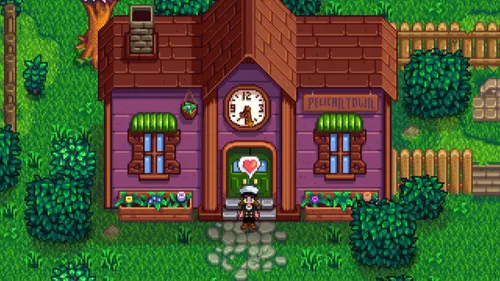
One of the biggest sources of stress in modern life is the constant pressure to be productive.
Many video games mirror this pressure through strict objectives, countdown timers, competitive rankings, and high-stakes challenges. Stardew Valley takes the opposite approach.
There is no deadline for becoming successful. There is no punishment for progressing slowly. Players are free to spend a day fishing, decorating their farm, talking to villagers, or simply walking through the countryside.
The game allows players to move at their own pace, creating a rare sense of freedom.
The Appeal of Routine
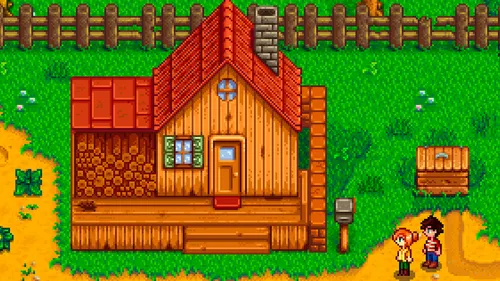
Human beings often find comfort in routines.
Psychologists have long observed that predictable patterns can reduce anxiety and create feelings of stability. Stardew Valley is built around daily rituals:
- Watering crops
- Feeding animals
- Harvesting produce
- Visiting town
- Checking the weather
- Exploring nearby areas
These simple activities create a satisfying rhythm. Even though the tasks repeat, they rarely feel boring because each day brings small changes and rewards.
The Fantasy of a Simpler Life
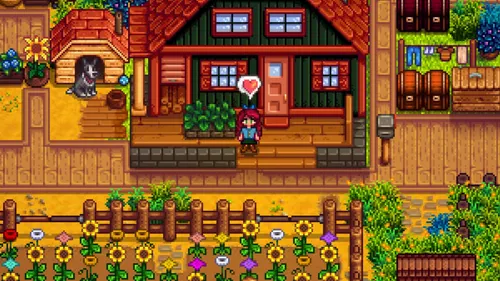
The game’s story begins with the protagonist leaving a stressful corporate job to start a new life on a farm.
This premise resonates with many players because it reflects a common modern fantasy: escaping overwhelming responsibilities in favor of a slower, more meaningful existence.
Pelican Town represents an idealized rural community where relationships matter more than productivity and where success is measured by personal fulfillment rather than wealth alone.
The game invites players to imagine a different way of living.
Color and Visual Design
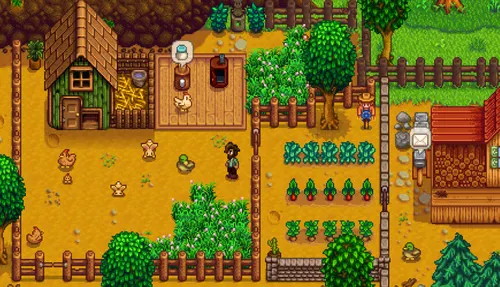
The visual style of Stardew Valley plays a major role in its emotional impact.
The pixel art uses:
- Soft colors
- Warm lighting
- Seasonal variety
- Friendly character designs
- Natural landscapes
Each season introduces a distinct palette that influences mood.
Spring feels hopeful and fresh.
Summer feels energetic and abundant.
Autumn evokes warmth and nostalgia.
Winter encourages reflection and rest.
These visual transitions create emotional variety while maintaining a sense of familiarity.
The Importance of Nature
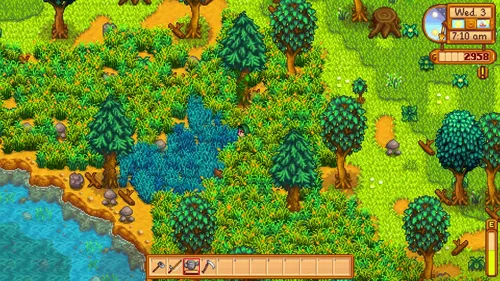
Research consistently suggests that exposure to nature can reduce stress and improve well-being.
Although Stardew Valley is a digital environment, it recreates many experiences associated with natural settings:
- Gardening
- Fishing
- Walking through forests
- Watching seasonal changes
- Caring for animals
The game allows players to reconnect with rhythms often absent from urban life.
Its world feels alive without feeling overwhelming.
Meaningful Progress

Many games reward players through increasingly larger numbers, stronger weapons, or higher rankings.
Stardew Valley focuses on a different kind of progress.
Players improve:
- Their farm
- Their home
- Their relationships
- Their skills
- Their community
Every improvement is visible and tangible. A neglected field becomes a thriving farm. An abandoned building is restored. Friendships deepen over time.
This creates a powerful sense of accomplishment without requiring intense competition.
A Community That Feels Human
The residents of Pelican Town are more than quest-givers.
Each character has:
- Personal struggles
- Dreams
- Relationships
- Routines
- Emotional growth
As players get to know the townspeople, the village begins to feel like a genuine community.
The sense of belonging that emerges from these interactions is one of the game’s strongest emotional qualities.
Music and Atmosphere
The soundtrack, composed by the game’s creator, Eric Barone, is another key element.
The music is:
- Gentle
- Melodic
- Relaxing
- Seasonal
- Emotionally expressive
Rather than demanding attention, the soundtrack quietly supports the atmosphere.
It becomes part of the emotional fabric of the world.
The Art of Comfort
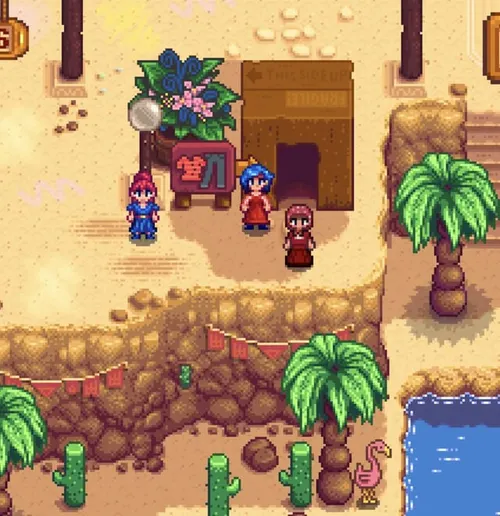
From an artistic perspective, Stardew Valley can be understood as a form of digital escapism.
Its world is carefully designed to provide:
- Stability
- Autonomy
- Beauty
- Community
- Purpose
These elements address emotional needs that many people struggle to satisfy in everyday life.
The game does not merely entertain players—it offers a temporary refuge from stress and uncertainty.
Conclusion
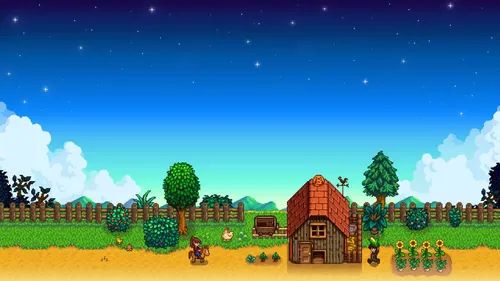
The comfort of Stardew Valley is not accidental. It emerges from a thoughtful combination of visual design, music, gameplay, storytelling, and psychology.
By slowing down the pace of life, celebrating small achievements, and creating a welcoming world filled with warmth and community, the game provides an experience that feels increasingly rare in modern media.
In a world that often demands more, Stardew Valley succeeds by asking players to do less—and enjoy it.