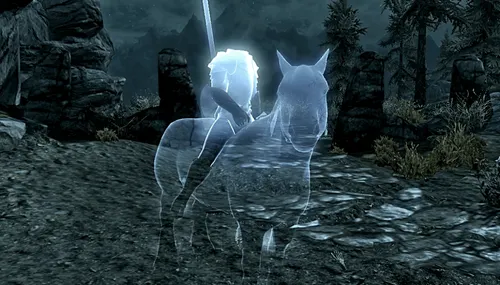
Few fantasy games are as closely associated with Norse culture as The Elder Scrolls V: Skyrim. From its snowy landscapes and warrior society to its dragons and ancient legends, the game is heavily inspired by Scandinavian history and mythology.
Although Skyrim is not a direct adaptation of Norse myths, it borrows many concepts, symbols, and themes from Viking traditions, creating a world that feels familiar to anyone who has studied Nordic mythology.
The Land of Skyrim
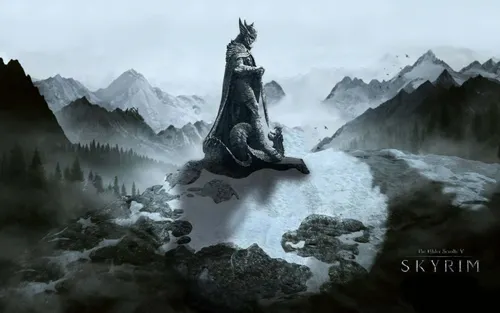
The province of Skyrim resembles the environment of medieval Scandinavia.
Players encounter:
- Snow-covered mountains
- Harsh winters
- Fjords and rocky coastlines
- Pine forests
- Remote villages
These landscapes evoke Norway, Sweden, and Iceland, regions where Norse mythology developed over centuries.
The environment itself helps establish the game’s connection to Nordic culture.
The Nords and Viking Society
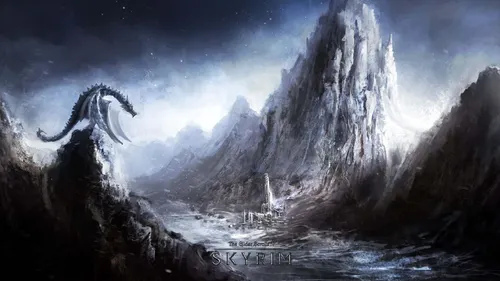
The Nords are Skyrim’s dominant culture and clearly draw inspiration from the Vikings.
Their society values:
- Personal honor
- Courage in battle
- Loyalty
- Physical strength
- Heroic reputation
These ideals closely resemble those found in Norse sagas and medieval Icelandic literature.
Like historical Viking warriors, Skyrim’s Nords believe that a person’s legacy is shaped by their actions and reputation.
Sovngarde and Valhalla
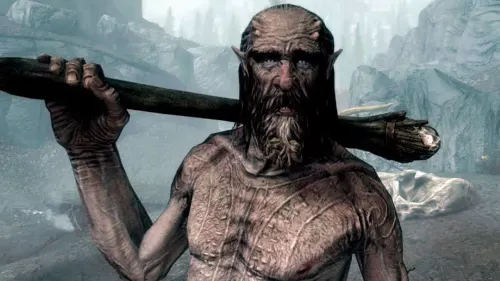
Perhaps the clearest mythological parallel is Sovngarde.
In Skyrim, Sovngarde is the afterlife reserved for brave warriors who die honorably.
This concept closely resembles Valhalla, the legendary hall ruled by Odin in Norse mythology.
Both locations serve as rewards for heroic warriors and emphasize the importance of courage and honor.
The similarities are difficult to overlook:
| Skyrim | Norse Mythology |
|---|---|
| Sovngarde | Valhalla |
| Shor | Odin |
| Heroic afterlife | Heroic afterlife |
| Honorable death | Honorable death |
Shor and Odin
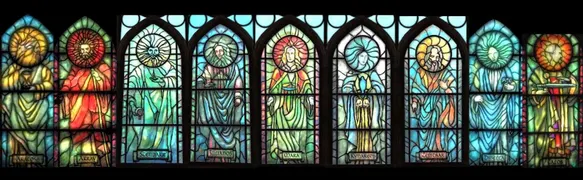
Shor, one of the most important gods in Nordic religion within Skyrim, shares several characteristics with Odin.
Both figures are:
- Central divine rulers
- Connected to wisdom and leadership
- Associated with the fate of warriors
- Revered by heroic cultures
While Shor is not a direct copy of Odin, he clearly occupies a similar mythological role.
Dragons and Fafnir
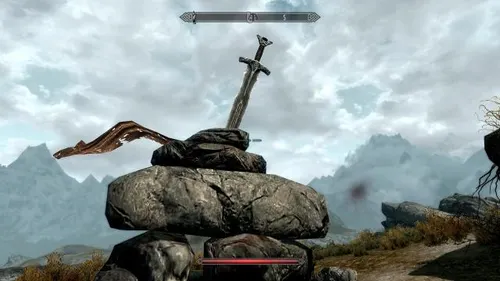
Dragons are central to Skyrim’s story.
Norse mythology also contains famous dragon figures, particularly Fafnir, a creature transformed by greed and cursed treasure.
While Skyrim’s dragons differ significantly from Fafnir, both traditions portray dragons as ancient beings tied to power, destruction, and mythic history.
The game’s dragons feel less like modern fantasy monsters and more like legendary forces from ancient folklore.
The Dragonborn and Legendary Heroes
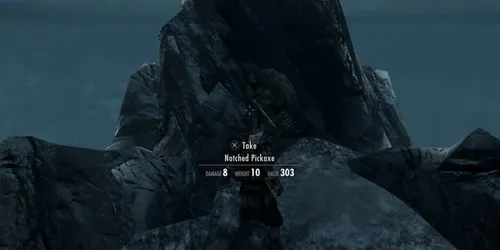
The Dragonborn follows a pattern common in Norse myths.
Many Norse heroes possess extraordinary abilities or destinies that separate them from ordinary people.
Like figures such as Sigurd, the Dragonborn:
- Faces legendary monsters
- Carries a unique destiny
- Interacts with divine forces
- Shapes the fate of the world
The hero’s journey reflects themes found throughout Norse heroic literature.
The Thu’um and the Power of Words
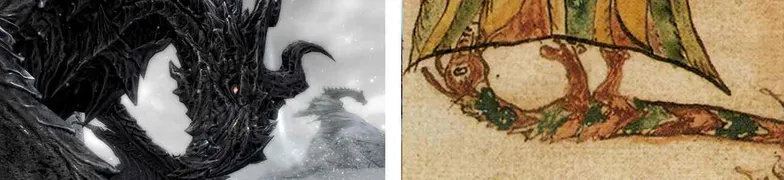
One of the most unique aspects of Skyrim is the Thu’um, or Dragon Shout.
In Norse mythology, words often possess supernatural power.
Runes, sacred names, prophecies, and magical chants frequently appear in the myths. Odin himself is associated with secret knowledge and the mystical power of language.
The idea that spoken words can alter reality has deep roots in Norse traditions.
The Thu’um can be viewed as a fantasy adaptation of this concept.
Ragnarök and the End of the World
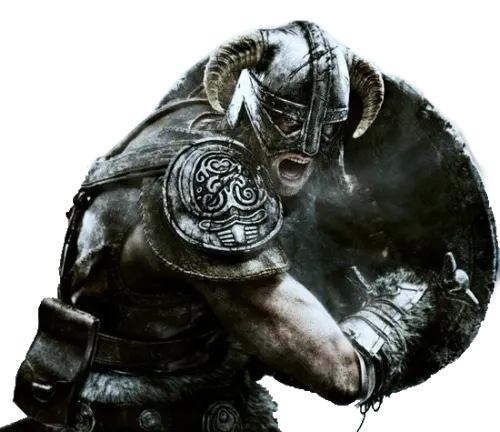
Norse mythology is famous for Ragnarök, the prophesied destruction and rebirth of the world.
Although Skyrim does not directly retell Ragnarök, the return of Alduin shares several similarities.
Alduin is known as the World-Eater and is destined to bring about the end of an age.
This mirrors the apocalyptic themes found in Ragnarök:
- Cosmic destruction
- Final battles
- The collapse of the old order
- The possibility of renewal
The game’s main storyline echoes these mythological concerns.
Nordic Architecture and Art
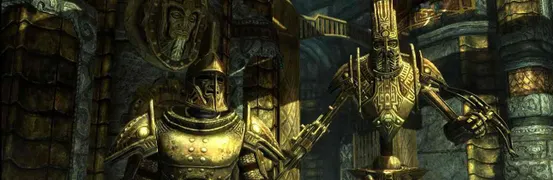
The visual design of Skyrim’s ancient ruins also reflects Scandinavian influences.
Players encounter:
- Carved stone monuments
- Animal motifs
- Long halls
- Wooden architecture
- Rune-like symbols
Many of these elements resemble historical Viking art styles, particularly the intricate animal designs found in Norse carvings and artifacts.
Even when the game introduces fictional symbols, they often feel rooted in real Nordic artistic traditions.
Why These Influences Matter
The success of Skyrim is not simply due to dragons and swords. Its world feels believable because it draws from centuries of mythology, folklore, and cultural history.
By adapting elements of Norse mythology—including heroic ideals, divine figures, apocalyptic prophecies, and warrior traditions—the game creates a setting that feels ancient, mysterious, and meaningful.
For players interested in mythology, Skyrim offers more than a fantasy adventure. It serves as a fascinating example of how ancient stories continue to inspire modern art, literature, and interactive media.
The snowy mountains of Skyrim may be fictional, but the myths that echo through them have been captivating audiences for over a thousand years.