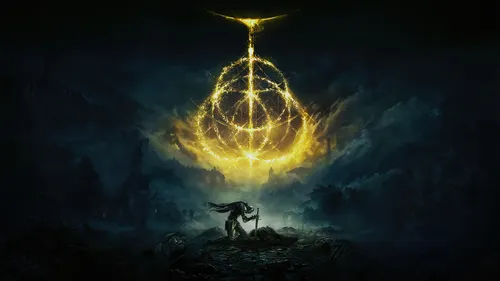
At first glance, Elden Ring appears to be a dark fantasy action RPG filled with monsters, ruined kingdoms, and mysterious lore. However, beneath its challenging gameplay lies a world deeply influenced by centuries of artistic traditions. By examining the game through the lens of Art History, players can gain a deeper understanding of its themes, environments, and visual storytelling.
The Gothic Legacy
One of the most obvious artistic influences in Elden Ring is Gothic architecture. Originating in medieval Europe, Gothic buildings are characterized by towering structures, pointed arches, stained glass, and a sense of spiritual grandeur.
Throughout the Lands Between, players encounter immense castles, cathedrals, and sacred ruins that evoke the same feelings of awe and insignificance inspired by Gothic monuments. Places such as Stormveil Castle and Leyndell are not merely settings; they communicate power, faith, and the decline of once-great civilizations.
Like Gothic cathedrals, these structures seem designed to make human beings feel small before something greater than themselves.
Romanticism and the Sublime
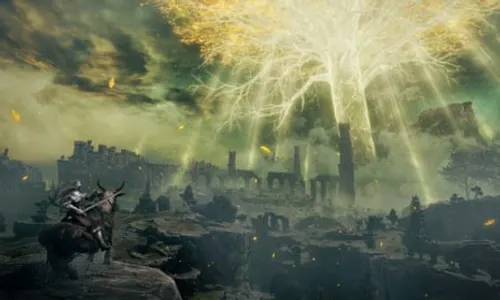
The Romantic movement emphasized emotion, imagination, and the overwhelming power of nature. Romantic painters often depicted vast landscapes that inspired both wonder and fear, a concept known as the sublime.
This idea is everywhere in Elden Ring. Massive mountains, endless fields, colossal trees, and distant ruins create a sense of scale that dwarfs the player. The Erdtree itself functions as a symbol of the sublime, dominating the horizon and constantly reminding players of powers beyond human comprehension.
The game encourages the same emotional response sought by Romantic artists: admiration mixed with unease.
The Ruin as a Work of Art
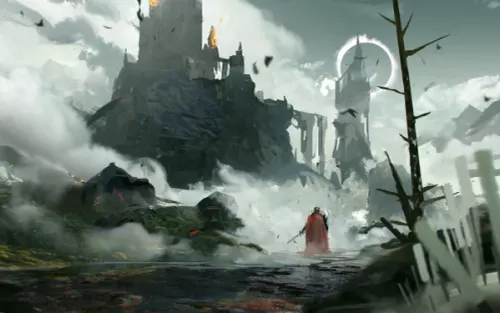
During the eighteenth and nineteenth centuries, artists became fascinated by ruins. Crumbling castles and abandoned cities were seen as reminders of the passage of time and the fragility of human achievement.
The world of Elden Ring is built almost entirely from ruins. Every fortress, church, and city tells the story of a fallen civilization. Rather than presenting a thriving kingdom, the game focuses on what remains after collapse.
This artistic fascination with decay transforms exploration into archaeology. Players reconstruct history through fragments scattered across the landscape.
Religious Symbolism
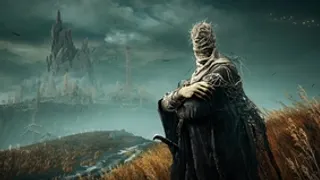
Art History provides valuable tools for understanding the game’s religious imagery.
The Erdtree functions much like the sacred trees found in numerous mythologies and religious traditions. Its visual prominence recalls the role of holy symbols in medieval and Renaissance art, where divine authority was represented through monumental imagery.
Golden halos, sacred light, statues, and divine figures appear repeatedly throughout the game. These symbols communicate legitimacy, power, and spiritual authority even when their exact meanings remain ambiguous.
Just as medieval paintings taught religious ideas through visual symbolism, Elden Ring uses imagery to convey its mythology.
The Grotesque Tradition
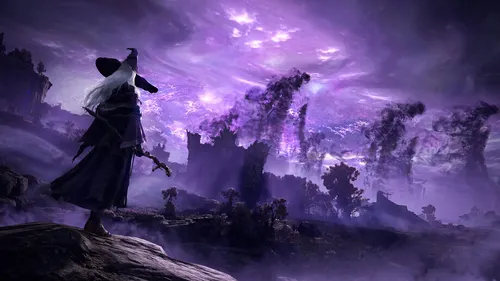
Many of the creatures in Elden Ring belong to a long artistic tradition known as the grotesque.
Since the Renaissance, artists have created hybrid beings that combine human, animal, and fantastical elements. These disturbing forms often represented corruption, chaos, or the violation of natural order.
The game’s monsters, malformed demigods, and unnatural creatures continue this tradition. Their designs are not random; they visually express themes of decay, ambition, mutation, and divine punishment.
The body itself becomes a narrative device.
Baroque Grandeur

The Baroque period emphasized spectacle, movement, and emotional intensity. Artists sought to overwhelm viewers through dramatic compositions and grand visual effects.
Many of Elden Ring’s boss encounters reflect this approach. Massive arenas, divine figures, radiant effects, and dramatic transformations create a sense of theatrical grandeur similar to Baroque art and architecture.
The player is not simply fighting an enemy; they are witnessing a visual performance designed to inspire awe.
Visual Storytelling Through Environment
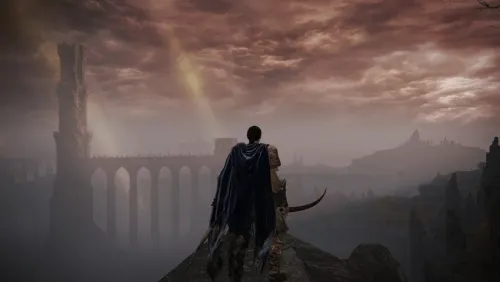
One of the most important lessons of Art History is that images can tell stories without words.
Elden Ring relies heavily on environmental storytelling. Broken statues, abandoned battlefields, ruined temples, and forgotten graves communicate history through visual clues rather than exposition.
This approach resembles the way historians analyze paintings, sculptures, and monuments to reconstruct the beliefs and events of past societies.
The player becomes both adventurer and art historian, interpreting a world through its surviving artifacts.
Why Art History Matters
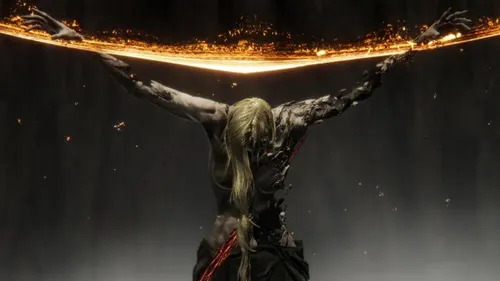
Many players approach Elden Ring as a fantasy game, but its visual world is rooted in centuries of artistic traditions. Gothic architecture, Romantic landscapes, religious symbolism, grotesque imagery, and the aesthetics of ruins all contribute to the game’s unique atmosphere.
Understanding these influences reveals that Elden Ring is more than a collection of battles and quests. It is a work that engages with the same artistic ideas that have fascinated painters, architects, sculptors, and storytellers for hundreds of years.
Viewed through the lens of Art History, the Lands Between become not only a game world but also a vast gallery of artistic influences waiting to be explored.