
Historical accuracy in video games is often sacrificed in favor of gameplay and fantasy. While many medieval-themed games feature dragons, magic, and fictional kingdoms, Kingdom Come: Deliverance takes a different approach. Set in the Kingdom of Bohemia in 1403, the game strives to portray medieval life as realistically as possible.
Although no historical recreation can be perfect, Kingdom Come: Deliverance succeeds in depicting many aspects of the late Middle Ages with remarkable authenticity.
A Real Historical Setting
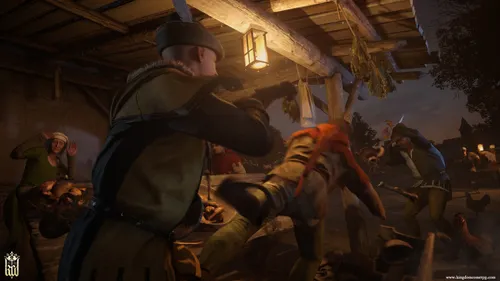
Unlike many RPGs, the game is set in a real place during a real historical conflict.
The story takes place during the political turmoil that followed the imprisonment of King Wenceslaus IV and the invasion led by Sigismund of Luxembourg. Many of the characters, locations, and events featured in the game are based on historical sources.
This grounding in real history immediately distinguishes the game from more fantasy-oriented medieval titles.
Medieval Society Was Highly Structured

One of the game’s greatest strengths is its depiction of social hierarchy.
Medieval society was not a world where anyone could become a knight overnight. Social status played a significant role in determining opportunities, rights, and responsibilities.
The protagonist, Henry, begins as the son of a blacksmith. As a result, nobles, guards, and wealthy citizens often treat him with skepticism or outright contempt.
This reflects the realities of medieval life, where birth and social class heavily influenced a person’s future.
Combat Was Difficult and Exhausting

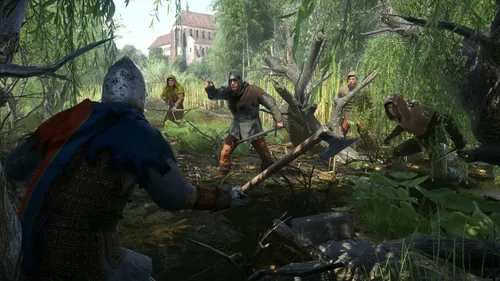
Many games portray sword fighting as fast and effortless. In reality, medieval combat required extensive training, physical conditioning, and discipline.
Kingdom Come: Deliverance emphasizes:
- Stamina management
- Proper timing
- Weapon techniques
- Armor effectiveness
- Physical exhaustion
Even a skilled fighter can be overwhelmed by multiple opponents.
The game demonstrates that medieval combat was often dangerous, chaotic, and exhausting rather than heroic and glamorous.
Armor Actually Worked
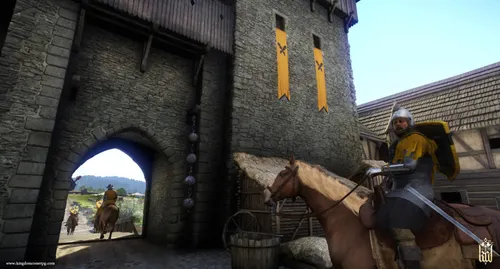
A common misconception in popular media is that armor was ineffective.
Historical evidence shows the opposite. Well-made plate armor provided excellent protection against many weapons.
The game accurately represents this reality by making armored opponents significantly more difficult to defeat. Players quickly learn that attacking a fully armored knight requires strategy rather than simply swinging a sword repeatedly.
This attention to historical detail is rarely seen in video games.
Medieval Towns Feel Authentic
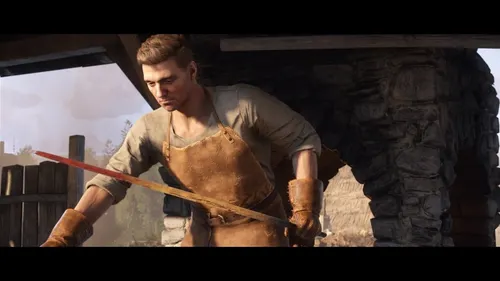
The villages and towns in Kingdom Come: Deliverance avoid many fantasy clichés.
Instead of enormous cities filled with magical architecture, players encounter:
- Wooden houses
- Muddy roads
- Small marketplaces
- Agricultural communities
- Churches as social centers
These environments reflect archaeological and historical evidence from late medieval Central Europe.
The result is a world that feels lived-in rather than theatrical.
Religion Was Everywhere
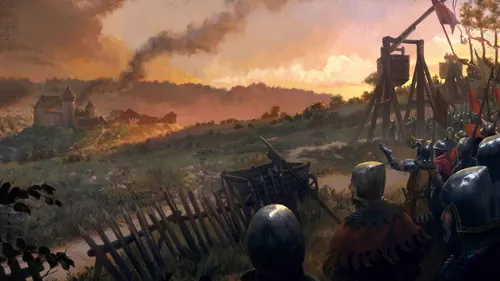
Religion played a central role in medieval life.
In the game, churches dominate settlements, religious symbols appear throughout the landscape, and clergy hold considerable influence.
This reflects the reality of medieval Europe, where Christianity shaped education, politics, law, art, and daily routines.
Many games treat religion as background decoration. Kingdom Come: Deliverance presents it as an integral part of society.
Medieval Life Was Mostly About Work
Popular culture often focuses on knights and battles, but most medieval people were farmers, craftsmen, merchants, or laborers.
The game frequently reminds players of this reality.
Fields must be cultivated, goods must be produced, and communities depend on everyday labor. This emphasis on ordinary life helps create a more complete picture of the medieval world.
History is not only made by kings and warriors—it is also shaped by common people.
Hygiene and Daily Life

One surprisingly realistic feature is the game’s treatment of cleanliness and reputation.
If Henry becomes dirty, bloody, or poorly dressed, NPCs react differently to him.
Appearance mattered in medieval society, especially when interacting with nobles, merchants, or clergy.
While some stereotypes exaggerate medieval filth, personal grooming and proper presentation were often more important than many modern audiences realize.
Castles Were Military Structures

Many fantasy settings portray castles as luxurious palaces.
In reality, castles were defensive structures designed to control territory and protect important individuals.
The castles in Kingdom Come: Deliverance feel practical and functional. Their architecture reflects military needs rather than fantasy spectacle.
This realism helps reinforce the game’s historical atmosphere.
Not Everything Is Perfect

Despite its impressive accuracy, the game is not flawless.
Some aspects are simplified for gameplay purposes:
- Travel is faster than it would have been historically.
- Certain combat mechanics are designed for player enjoyment.
- Social mobility is somewhat more flexible than in reality.
- Historical events are occasionally adapted to fit the narrative.
However, these compromises are relatively minor compared to the game’s overall commitment to authenticity.
Why Kingdom Come: Deliverance Matters
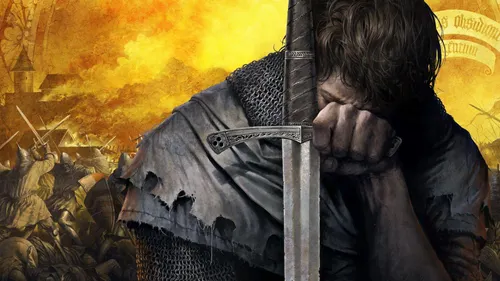
Kingdom Come: Deliverance demonstrates that historical accuracy and engaging gameplay do not have to be opposites.
By presenting medieval society as a complex world of social hierarchy, religion, labor, warfare, and political conflict, the game offers players a rare opportunity to experience history beyond common stereotypes.
For historians, history enthusiasts, and gamers alike, it serves as one of the most convincing portrayals of the late Middle Ages ever created in an interactive medium.
Rather than asking what medieval life looked like in fantasy, Kingdom Come: Deliverance asks a more interesting question:
What was medieval life actually like?