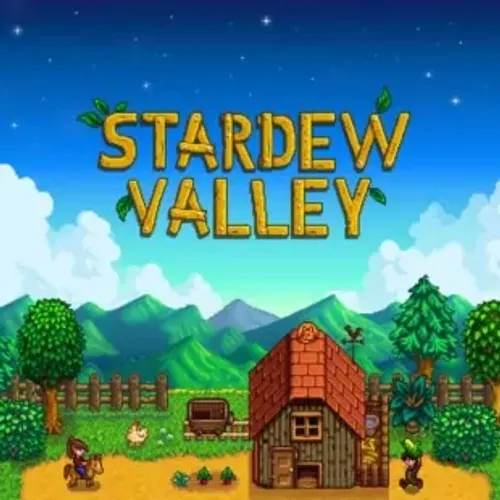
Developed almost entirely by one person, Eric Barone, the game transformed from a nostalgic farming simulator into an emotional comfort experience for millions of players around the world.
More than just a farming game, Stardew Valley became something rare in modern gaming:
Peaceful.
A Simple Beginning That Becomes Addictive
The game begins with the player inheriting an old farm in Pelican Town after leaving behind a stressful corporate life.
At first, gameplay seems straightforward:
-
Plant crops
-
Water fields
-
Sell produce
-
Upgrade tools
But slowly, Stardew Valley opens into something much deeper.
Players can:
-
Build relationships
-
Explore caves
-
Fight monsters
-
Fish
-
Decorate farms
-
Raise animals
-
Cook meals
-
Discover secrets
-
Restore the community center
The game constantly rewards curiosity and patience.
Pelican Town Feels Surprisingly Alive
One of Stardew Valley’s greatest strengths is its world and characters.
The residents of Pelican Town feel human because they have:
-
Personal routines
-
Emotional struggles
-
Relationships
-
Hobbies
-
Secrets
Characters deal with topics like:
-
loneliness
-
depression
-
alcoholism
-
grief
-
social anxiety
Despite the cozy atmosphere, the writing contains emotional depth that surprises many players.
The town slowly begins to feel like a real community.
Freedom Makes the Experience Personal
Stardew Valley never forces players into a strict playstyle.
You can focus on:
-
Farming
-
Mining
-
Fishing
-
Romance
-
Exploration
-
Animal care
-
Decoration
-
Profit optimization
Or simply relax and move at your own pace.
That freedom makes the experience deeply personal.
Some players create giant optimized farms.
Others spend entire seasons decorating their house and talking to villagers.
Both approaches feel valid.
The Gameplay Loop Is Extremely Satisfying
Few games understand progression as well as Stardew Valley.
Small tasks constantly lead to meaningful rewards:
-
Better crops
-
Larger farms
-
New buildings
-
Stronger tools
-
Seasonal unlocks
The game creates a perfect balance between relaxation and long-term goals.
Even repetitive activities feel comforting rather than exhausting.
This is one reason many players describe Stardew Valley as emotionally therapeutic.
The Soundtrack Creates Pure Comfort
The music in Stardew Valley plays a massive role in its atmosphere.
The soundtrack feels:
-
warm
-
nostalgic
-
peaceful
-
emotional
Seasonal themes subtly change the emotional tone of the game world throughout the year.
Walking through Pelican Town during autumn while soft music plays remains one of gaming’s most relaxing experiences.
The Pixel Art Is Timeless
Technically, Stardew Valley is simple.
But its pixel art style gives the game enormous charm.
The visuals feel:
-
colorful
-
cozy
-
expressive
-
nostalgic
Unlike hyper-realistic games that age quickly, Stardew Valley’s art direction feels timeless.
Its simplicity actually strengthens the emotional atmosphere.
Multiplayer Expanded the Experience
The addition of multiplayer made Stardew Valley even more popular.
Friends can now:
-
Build farms together
-
Share resources
-
Explore mines cooperatively
-
Participate in festivals
The game’s peaceful structure works surprisingly well as a social experience.
Instead of competition, multiplayer emphasizes cooperation and relaxation.
The Game Keeps Growing
One reason Stardew Valley remains so beloved is continuous support.
Over the years, major updates added:
-
New areas
-
Additional story content
-
More customization
-
New farm types
-
Extra secrets
Many of these updates were released completely free.
Players deeply respect the passion and dedication behind the game’s ongoing development.
It Became More Than a Farming Simulator
Stardew Valley succeeded because it fulfills emotional needs many modern games ignore.
The game offers:
-
calmness
-
routine
-
creativity
-
stability
-
escapism
In a gaming industry dominated by:
-
competition
-
battle passes
-
live-service systems
-
constant pressure
Stardew Valley feels refreshing.
It allows players to simply exist peacefully inside its world.
Not Everything Is Perfect
Despite its strengths, Stardew Valley does have flaws.
Early Progression Can Feel Slow
New players sometimes struggle with:
-
low stamina
-
limited money
-
slow early-game pacing
The beginning requires patience before the game fully opens up.
Combat Is Relatively Simple
The mine combat system works well enough, but it lacks the depth of dedicated RPGs or action games.
Combat clearly exists as a secondary mechanic rather than the game’s main focus.
Time Pressure Can Create Anxiety
Ironically, some players feel stressed by the in-game clock and seasonal deadlines.
Missing crops or events can create unexpected pressure, especially for perfectionist players.
Still, the game generally encourages a relaxed mindset overall.
Why Stardew Valley Became So Important
Stardew Valley proved something powerful:
Games do not need massive budgets or realistic graphics to become masterpieces.
The game succeeded through:
-
emotional sincerity
-
strong design
-
player freedom
-
atmosphere
-
heart
It reminded the gaming industry that small, personal experiences can resonate just as deeply as giant AAA productions.
Final Verdict
Stardew Valley is one of the greatest indie games ever made.
Its combination of:
-
relaxing gameplay
-
emotional writing
-
rewarding progression
-
freedom
-
comforting atmosphere
created an experience that millions of players continue returning to year after year.
More than a farming simulator, Stardew Valley feels like a peaceful place people genuinely miss when they stop playing.
And few games achieve that kind of emotional connection.
GameGridScore Rating: 9.6/10
Pros
-
Deeply relaxing gameplay
-
Excellent progression systems
-
Memorable characters
-
Beautiful soundtrack
-
Endless replayability
Cons
-
Slow early-game pacing
-
Simple combat mechanics
-
Some players may feel time pressure
GameGridScorePlay More. Discover More. Score Better.