Developed by Mob Entertainment, the series combines:
-
mascot horror
-
puzzle gameplay
-
creepy toy factory environments
-
psychological tension
-
internet mystery storytelling
At first, many players dismissed Poppy Playtime as another attempt to copy the viral success of Five Nights at Freddy’s.
But over time, the franchise evolved into something much larger.
With each new chapter, the world of Playtime Co. became darker, more emotional, and surprisingly disturbing.
So how good is each chapter?
And did the series actually deserve its massive popularity?
Chapter 1 — A Tight and Effective Beginning
“A Tight Squeeze”
The first chapter introduced players to the abandoned Playtime Co. toy factory.
The setup is simple:you are a former employee returning to investigate mysterious disappearances inside the factory.
The gameplay focuses on:
-
environmental puzzles
-
exploration
-
VHS tapes
-
the GrabPack mechanic
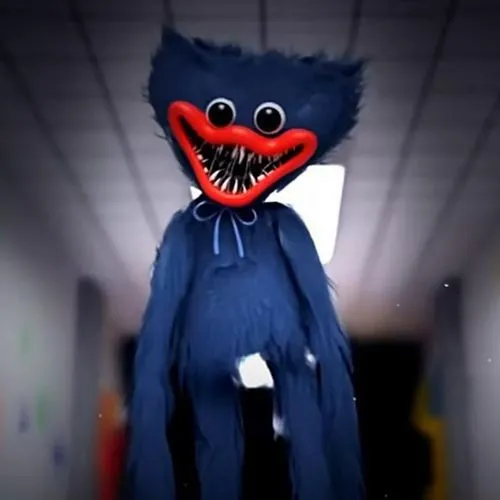
The true star of Chapter 1 is Huggy Wuggy.
His design became instantly iconic because it mixes:
-
childish innocence
-
unnatural proportions
-
unsettling movement
-
silent stalking
The final chase sequence with Huggy Wuggy remains one of the most memorable moments in modern mascot horror.
Strengths of Chapter 1
-
Excellent atmosphere
-
Strong visual identity
-
Clever introductory puzzles
-
Memorable villain
-
Fantastic tension buildup
Weaknesses
-
Very short runtime
-
Limited gameplay depth
-
Relies heavily on atmosphere over story
Still, as an introduction, Chapter 1 worked extremely well.
It created mystery without overexplaining anything.
Chapter 1 Score: 8.2/10
Chapter 2 — Bigger, Smarter, and More Ambitious
“Fly in a Web”
Chapter 2 expanded the formula dramatically.
The factory suddenly felt:
-
larger
-
stranger
-
more dangerous
This chapter introduced:
-
train station puzzles
-
musical memory games
-
larger exploration areas
-
more complex GrabPack mechanics
The main villain, Mommy Long Legs, became one of the franchise’s most terrifying characters.
Unlike Huggy Wuggy’s silent stalking, Mommy Long Legs constantly talks to the player, creating psychological pressure throughout the chapter.
Her mixture of:
-
playful behavior
-
emotional instability
-
violent threats
made her deeply unsettling.
The Horror Became More Psychological
Chapter 2 leaned more heavily into:
-
experimentation lore
-
child exploitation themes
-
disturbing factory history
The game began shifting away from simple mascot horror toward something darker and more emotional.
This helped the series gain stronger identity.
Strengths of Chapter 2
-
Better pacing
-
Stronger puzzles
-
Excellent villain
-
Improved storytelling
-
Larger environments
Weaknesses
-
Some puzzles feel too long
-
Certain sections drag slightly
-
Performance issues at launch
Still, Chapter 2 proved the franchise had real potential beyond internet hype.
Chapter 2 Score: 8.8/10
Chapter 3 — The Darkest Chapter So Far
“Deep Sleep”
Chapter 3 completely changed the tone of the series.
Instead of colorful toy-factory horror, the game became much darker, emotionally heavier, and psychologically disturbing.
The abandoned orphanage area introduced themes involving:
-
trauma
-
fear experiments
-
hallucinations
-
manipulation
-
emotional abuse
The atmosphere became far more oppressive than previous chapters.
This is where Poppy Playtime truly started feeling like psychological horror instead of purely mascot horror.
CatNap Became the Franchise’s Best Villain
CatNap quickly became one of the strongest horror mascots in recent gaming.
Unlike Huggy Wuggy’s physical intimidation or Mommy Long Legs’ unstable personality, CatNap creates fear through:
-
silence
-
atmosphere
-
red smoke hallucinations
-
psychological manipulation
The nightmare sequences in Chapter 3 are easily the scariest moments in the series so far.
The game finally embraced true horror instead of relying mostly on internet-friendly mascot designs.
The Story Became Much More Interesting
Chapter 3 dramatically improved the narrative.
Players learn more about:
-
The Prototype
-
Playtime Co.’s experiments
-
the orphan system
-
failed test subjects
-
the Bigger Bodies Initiative
The world suddenly feels tragic rather than simply mysterious.
This emotional depth elevated the entire franchise.
Strengths of Chapter 3
-
Incredible atmosphere
-
Strong psychological horror
-
Best storytelling in the series
-
Excellent villain design
-
More mature tone
Weaknesses
-
Some sections feel overly scripted
-
Pacing occasionally slows
-
Still dependent on lore mysteries
Even with minor flaws, Chapter 3 represents the series at its strongest.
Chapter 3 Score: 9.1/10
Why Poppy Playtime Became So Popular
The franchise exploded because it successfully combined:
-
horror
-
mystery
-
internet theory culture
-
mascot designs
-
streamer-friendly gameplay
Each chapter generates:
-
lore discussions
-
YouTube theories
-
TikTok edits
-
fan animations
-
community speculation
The mystery surrounding Playtime Co. became just as important as the gameplay itself.
The Mascot Horror Genre Evolved
Poppy Playtime also helped evolve mascot horror beyond simple jumpscares.
The series increasingly focuses on:
-
atmosphere
-
tragedy
-
psychological themes
-
emotional storytelling
especially in later chapters.
This helped the franchise gain more legitimacy among horror fans.
Not Everyone Loves the Series
Despite its popularity, Poppy Playtime still receives criticism.
Some players argue:
-
the games rely too heavily on streamers
-
merchandise became excessive
-
lore can feel intentionally vague
-
pacing sometimes suffers
Others believe the mascot horror genre became oversaturated after its success.
Still, even critics usually acknowledge the franchise improved significantly over time.
Final Verdict
Poppy Playtime started as a simple viral horror game.
But with each chapter, the series became darker, smarter, and more emotionally ambitious.
Chapter by chapter, the franchise evolved from:
-
internet mascot horror
into something much closer to psychological sci-fi horror.
The combination of:
-
disturbing atmosphere
-
memorable villains
-
environmental storytelling
-
expanding lore
helped Poppy Playtime become one of the defining horror franchises of modern gaming.
And surprisingly…
its best chapters may still be ahead.
Overall Franchise Score: 8.9/10
Best Chapter
🏆 Chapter 3 — Deep Sleep
Best Villain
🏆 CatNap
Most Iconic Character
🏆 Huggy Wuggy
GameGridScorePlay More. Discover More. Score Better.