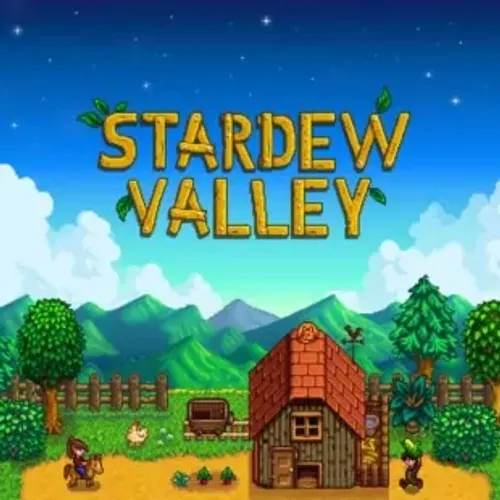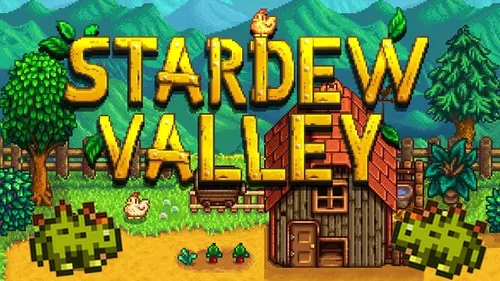
When discussing the artistic qualities of modern video games, photorealistic graphics often receive most of the attention. However, Stardew Valley demonstrates that visual impact does not depend on technical complexity. Through the careful use of pixel art, the game creates a world that feels warm, memorable, and emotionally engaging.
Its visual style is not merely a nostalgic choice—it is a deliberate artistic language that shapes the player’s experience.
What Is Pixel Art?
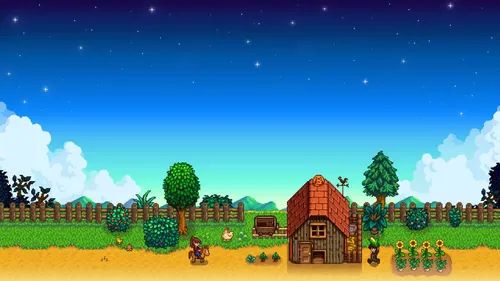
Pixel art is a digital art form built from individual pixels, the smallest units of a digital image. Due to hardware limitations, early video games relied on pixel art because computers and consoles lacked the power to render detailed graphics.
Over time, what began as a technical necessity evolved into a respected artistic style.
Today, pixel art is valued for its ability to communicate ideas through simplicity, color, and composition rather than realism.
The Legacy of Early Video Games
Stardew Valley draws inspiration from classic games of the 1980s and 1990s, particularly farming simulators such as Harvest Moon.
Its visual style evokes a sense of nostalgia for players who grew up during the pixel art era. However, the game does not simply imitate the past. Instead, it modernizes traditional pixel art techniques while preserving their charm.
The result is a visual identity that feels both familiar and timeless.
Simplicity and Imagination
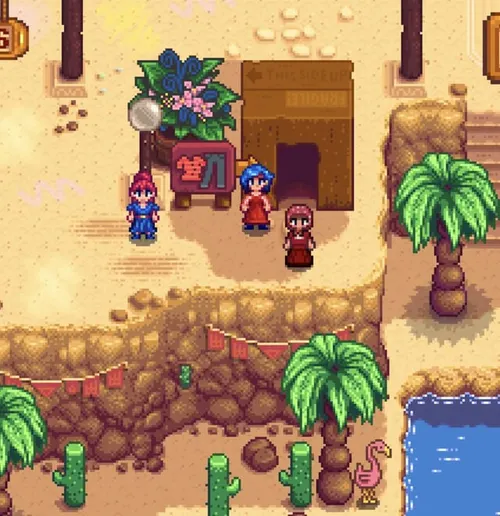
One of the strengths of pixel art is that it encourages players to participate in the creative process.
Because characters and environments are represented with limited detail, players naturally fill in the gaps using their imagination. This phenomenon is similar to reading a novel, where the reader mentally constructs images based on minimal visual information.
The simplicity of Stardew Valley’s graphics allows players to develop stronger personal connections to its world and characters.
Color Theory in Stardew Valley
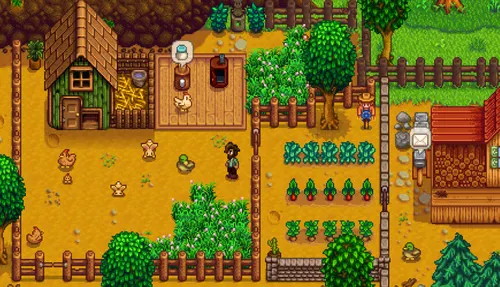
Color plays a crucial role in the game’s artistic design.
Each season uses a distinct palette:
Spring
Bright greens, soft blues, and colorful flowers create a sense of renewal and optimism.
Summer
Rich vegetation and vibrant colors communicate abundance and growth.
Fall
Warm oranges, reds, and yellows evoke comfort, nostalgia, and change.
Winter
Muted whites, blues, and grays create a quieter atmosphere focused on reflection and rest.
These seasonal transitions help players experience the passage of time emotionally as well as visually.
The Influence of Landscape Painting
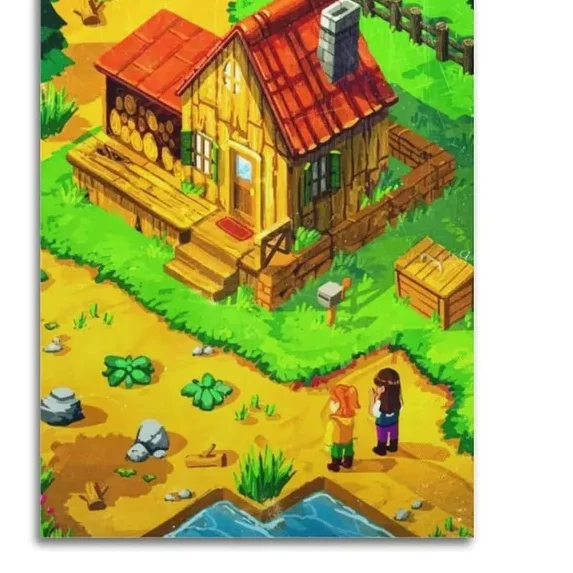
Although rendered in pixels, many environments in Stardew Valley share characteristics with traditional landscape painting.
The game emphasizes:
- Natural beauty
- Harmony between humans and nature
- Peaceful rural life
- Changing seasons
- Atmospheric environments
These themes can be found in artistic traditions ranging from Romanticism to Impressionism, where landscapes became central subjects of artistic expression.
The farm itself often resembles a living painting that evolves alongside the player.
Pixel Art as Emotional Design
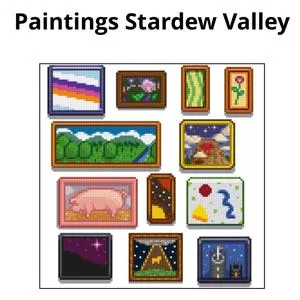
The visual style of Stardew Valley contributes directly to its emotional impact.
The game’s pixel art avoids visual overload and allows players to focus on simple pleasures:
- Planting crops
- Caring for animals
- Building relationships
- Exploring nature
This simplicity supports the game’s themes of balance, community, and personal fulfillment.
Many players describe the game as relaxing, and its visual design is a major reason why.
The Art of Creating a Cozy World
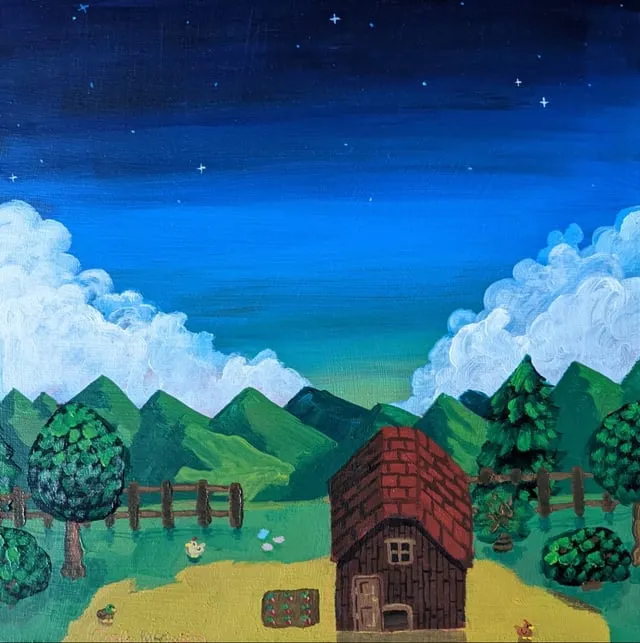
In recent years, the term cozy game has become increasingly popular. Stardew Valley is often considered one of the defining examples of the genre.
Its pixel art helps create this sense of comfort through:
- Soft color palettes
- Friendly character designs
- Clear visual communication
- Familiar rural environments
- Seasonal variety
The world feels inviting rather than intimidating, encouraging players to spend time within it.
Why Stardew Valley’s Art Matters
At first glance, Stardew Valley’s graphics may appear simple compared to modern AAA games. Yet its artistic success demonstrates an important lesson: great art is not measured by realism but by its ability to communicate emotion and meaning.
Through thoughtful use of pixel art, color, composition, and atmosphere, Stardew Valley creates a world that feels alive, comforting, and deeply personal.
Its visual style proves that even the smallest pixels can tell powerful stories.