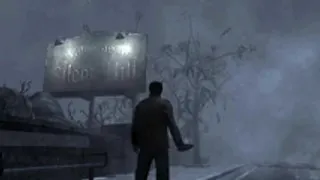
Few horror franchises have inspired as much analysis as Silent Hill. While many horror games rely on monsters as obstacles or enemies, the creatures of Silent Hill serve a much deeper purpose. They are not simply terrifying beings lurking in the darkness—they are manifestations of guilt, trauma, fear, desire, and psychological suffering.
Understanding the monsters of Silent Hill means understanding the characters themselves.
The town does not merely create monsters.
It reveals what already exists within the human mind.
Silent Hill as a Psychological Mirror
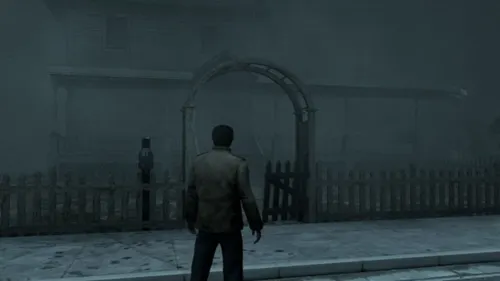
One of the most important concepts in the series is that Silent Hill functions as a mirror.
The town shapes itself according to the psyche of those who enter it.
As a result, the monsters are often unique to specific characters.
What one person sees in Silent Hill may be entirely different from what another sees.
This idea transforms the creatures from generic horror enemies into visual representations of internal struggles.
The monsters are symbols before they are threats.
Pyramid Head
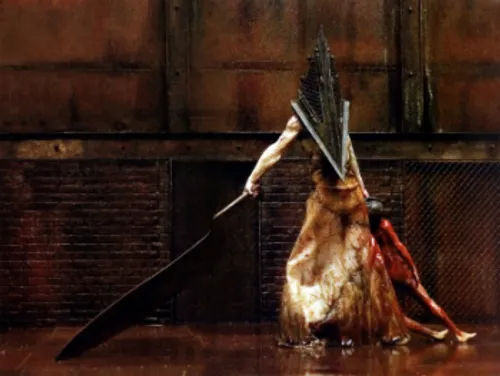
Perhaps no creature is more iconic than Pyramid Head.
Appearing prominently in Silent Hill 2, Pyramid Head is often misunderstood as a simple executioner or villain.
In reality, the creature represents James Sunderland’s guilt and desire for punishment.
After the death of his wife Mary, James carries overwhelming feelings of responsibility, anger, grief, and self-hatred.
Pyramid Head acts as an external manifestation of these emotions.
His brutal actions symbolize James’s unconscious need to suffer for what he has done.
The monster functions as both executioner and judge.
It is James condemning himself.
The Mannequins
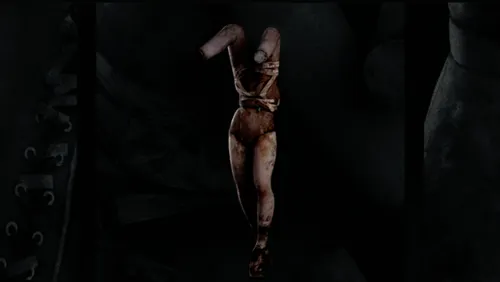
The Mannequins consist of two pairs of female legs attached together without a visible head or upper body.
At first glance, they appear bizarre and random.
However, they reflect James’s conflicted relationship with sexuality.
Following Mary’s illness, James experienced years of emotional frustration, loneliness, and suppressed desire.
The Mannequins reduce women to fragmented physical forms, reflecting how James’s desires have become separated from genuine intimacy and emotional connection.
Their unsettling design turns sexual attraction into something disturbing and uncomfortable.
The Nurses
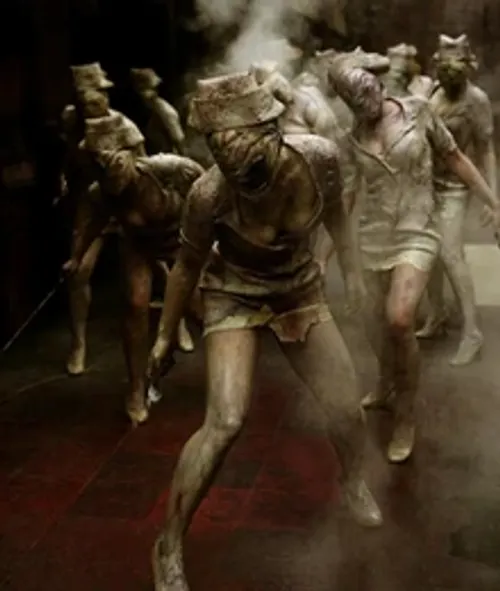
The nurses of Silent Hill 2 have become one of the most recognizable images in gaming horror.
Their exaggerated bodies, distorted movements, and obscured faces symbolize James’s experiences while visiting Mary in the hospital.
During her illness, hospitals became places associated with suffering, helplessness, and emotional conflict.
The nurses embody a mixture of:
- Desire
- Shame
- Frustration
- Illness
- Death
Their appearance reflects how James’s mind has transformed ordinary memories into grotesque symbols.
They are not representations of actual nurses.
They are manifestations of James’s psychological turmoil.
Lying Figures
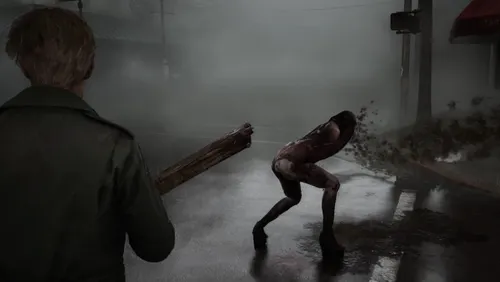
The Lying Figures appear trapped within flesh-like restraints that resemble a straitjacket.
They constantly release toxic substances from their bodies.
Many interpretations connect them to Mary’s illness.
Throughout her final years, Mary became physically trapped by disease, unable to live the life she once enjoyed.
The creature’s restricted form mirrors feelings of confinement, suffering, and bodily deterioration.
It represents a body becoming a prison.
Abstract Daddy
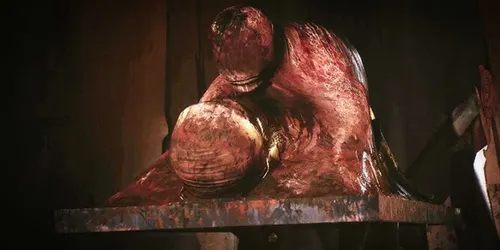
Few monsters in gaming are as disturbing as Abstract Daddy.
The creature appears during Angela Orosco’s storyline and symbolizes the abuse she endured throughout her life.
Unlike James’s monsters, Abstract Daddy reflects Angela’s personal trauma.
Its grotesque shape resembles a bed and oppressive human forms merged together.
The design communicates violence, domination, and the destruction of personal safety.
The horror of the creature comes not from its appearance alone but from what it represents.
It transforms trauma into a physical presence.
Why the Monsters Have No Faces
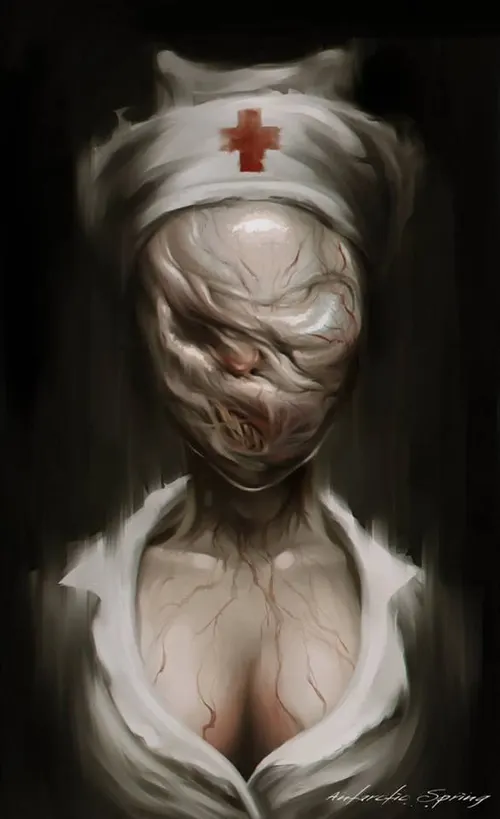
Many Silent Hill creatures possess obscured, distorted, or completely absent faces.
This design choice is highly symbolic.
The face is one of the primary ways humans recognize identity and individuality.
By removing facial features, the monsters become dehumanized.
They transform into concepts rather than people.
The creatures are not individuals.
They are emotions made flesh.
The Influence of Surrealism
The monster designs in Silent Hill owe much to Surrealist art.
Surrealist artists sought to explore dreams, nightmares, and the unconscious mind.
Like Surrealist paintings, Silent Hill’s monsters often combine familiar elements in unsettling ways.
Human forms become distorted.
Bodies merge together.
Ordinary objects acquire disturbing meanings.
The result is a visual language that feels both recognizable and deeply wrong.
The Influence of Francis Bacon
One of the most significant artistic influences on the series is the work of Francis Bacon.
Bacon’s paintings often depicted human figures as distorted, fragmented, and trapped within psychological spaces.
Many Silent Hill creatures share this aesthetic.
The monsters appear less like biological organisms and more like emotional states given physical form.
This connection helps explain why Silent Hill feels so different from traditional horror.
Its fear is psychological rather than purely physical.
Why Silent Hill’s Monsters Are So Effective
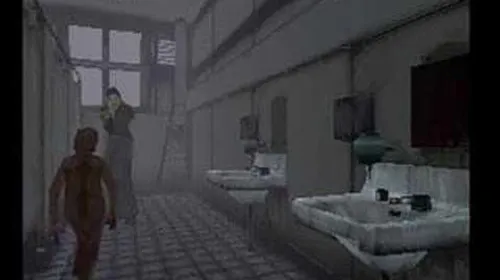
Most horror games ask players to fear being attacked.
Silent Hill asks players to fear understanding what the monsters represent.
Once players recognize that the creatures are manifestations of guilt, grief, trauma, and self-destruction, every encounter becomes more disturbing.
The monsters are frightening because they reveal truths the characters wish to avoid.
They expose wounds that have never healed.
Conclusion
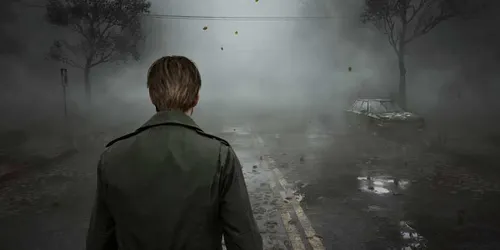
The monsters of Silent Hill are among the most sophisticated examples of symbolic design in video game history.
Rather than serving as simple enemies, they function as visual metaphors for the inner lives of the characters.
Pyramid Head represents guilt.
The Nurses embody desire and illness.
The Mannequins reflect fragmented sexuality.
Abstract Daddy manifests trauma and abuse.
Together, these creatures transform Silent Hill from a conventional horror game into a psychological exploration of the human mind.
The true horror of Silent Hill is not the monsters themselves.
It is what they reveal about the people who see them.