Art History is often associated with paintings, sculptures, architecture, and museums. Yet video games have become one of the most important visual mediums of the 21st century. They combine art, architecture, music, storytelling, design, and technology in ways that traditional artistic forms cannot.
For Art History students, certain games offer valuable insights into artistic movements, visual culture, historical representation, and the evolution of aesthetic expression. These titles are not only entertaining—they are also fascinating objects of study.
Okami

Few games demonstrate the connection between traditional art and interactive media as beautifully as Okami.
Inspired by Japanese ink wash painting (sumi-e), the game’s visual style transforms every scene into a moving work of art. Brush strokes, calligraphic effects, and traditional Japanese aesthetics shape both the world and the gameplay itself.
For students interested in East Asian art, Okami serves as an excellent introduction to how historical artistic traditions can be adapted into modern digital media.
BioShock
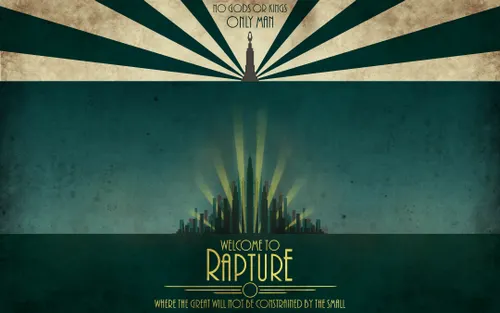
BioShock is a masterclass in Art Deco design.
The underwater city of Rapture is filled with geometric patterns, luxurious interiors, monumental architecture, and visual motifs associated with the Art Deco movement of the 1920s and 1930s.
Studying BioShock allows students to see how architecture and design can communicate ideology, social ambition, and cultural values through environmental storytelling.
Journey

Journey demonstrates how minimalism can create powerful emotional experiences.
Its visual design relies on simple shapes, carefully chosen colors, and vast landscapes that evoke feelings of wonder and solitude.
The game is particularly valuable for understanding how artistic expression can emerge through atmosphere rather than detailed realism.
Assassin’s Creed II
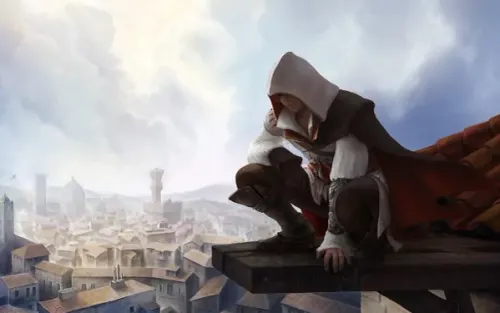
Set during the Italian Renaissance, Assassin’s Creed II recreates cities such as Florence and Venice with remarkable attention to architectural detail.
While the game takes historical liberties, it provides an accessible way to explore:
- Renaissance urban design
- Monumental architecture
- Public spaces
- Artistic patronage
- The cultural environment of Renaissance Italy
For many players, it serves as a gateway to studying Renaissance art and history.
Elden Ring
Art History offers powerful tools for understanding Elden Ring.
The game incorporates influences from:
- Gothic architecture
- Romantic landscapes
- Religious symbolism
- Medieval imagery
- The artistic tradition of ruins
Its world demonstrates how visual design can communicate themes of decline, faith, power, and memory without relying heavily on direct exposition.
Kingdom Come: Deliverance
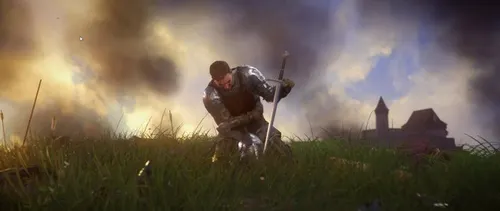
Unlike many fantasy RPGs, Kingdom Come: Deliverance attempts to recreate a real historical setting.
Students interested in medieval visual culture can examine:
- Castle architecture
- Religious spaces
- Material culture
- Clothing and armor
- Social hierarchy
The game offers a valuable opportunity to compare historical reality with popular representations of the Middle Ages.
Control

Control is heavily influenced by Brutalist architecture.
The game’s setting, known as the Oldest House, features massive concrete structures, geometric forms, and monumental spaces characteristic of twentieth-century Brutalism.
For students studying modern architecture, it provides a fascinating example of how architectural styles can shape atmosphere and narrative.
Silent Hill 2
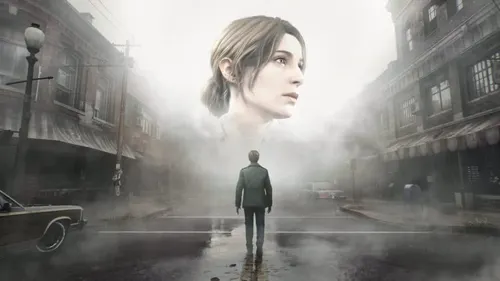
Few games are as rich in symbolism as Silent Hill 2.
Its environments, monsters, and visual motifs can be analyzed through perspectives such as:
- Surrealism
- Psychoanalysis
- Symbolism
- Horror aesthetics
- Visual metaphor
The game demonstrates how imagery can communicate psychological states and emotional trauma.
Gris

Gris feels like an interactive watercolor painting.
The game uses color, composition, animation, and symbolism to tell an emotional story with very little dialogue.
Students interested in visual storytelling will find it an excellent example of how artistic principles can drive narrative experiences.
Shadow of the Colossus
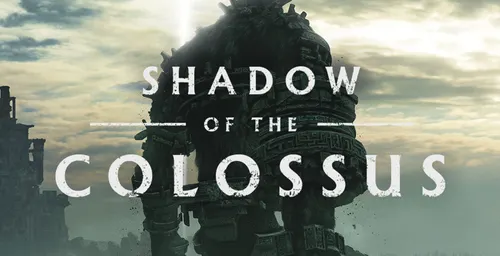
This game is often compared to Romantic landscape painting.
Its vast environments emphasize:
- Solitude
- Scale
- Nature
- Ruins
- The sublime
Like many nineteenth-century artworks, it explores humanity’s relationship with forces far greater than itself.
Bloodborne
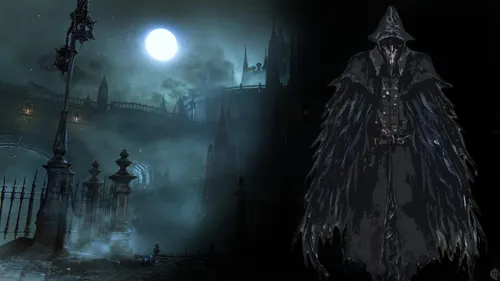
For students fascinated by Gothic art and architecture, Bloodborne is essential.
The game combines:
- Gothic cathedrals
- Victorian aesthetics
- Religious imagery
- Grotesque art traditions
- Cosmic horror
Its visual world demonstrates how historical artistic styles can be transformed into modern interactive experiences.
Stardew Valley

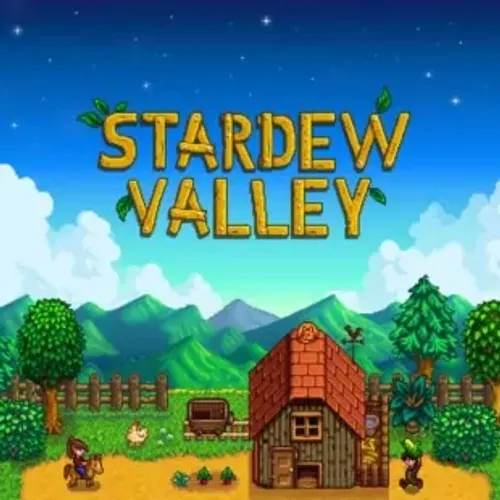
At first glance, Stardew Valley may seem like an unusual inclusion. However, its pixel art, use of color, and idealized rural landscapes make it an interesting case study in visual communication.
The game illustrates how simplicity can be used to create emotional depth and a strong artistic identity.
Why Art History Students Should Study Games
Video games are no longer merely entertainment products. They are cultural artifacts that combine centuries of artistic traditions with modern technology.
They borrow from painting, sculpture, architecture, cinema, literature, graphic design, and music while introducing something entirely new: interactivity.
For Art History students, games provide an opportunity to study how artistic ideas evolve, adapt, and survive within contemporary culture.
Understanding video games is not a departure from Art History—it is an expansion of it.
As digital media continues to shape the modern world, the question is not whether games belong in discussions of art.
The question is how much of the future history of art will be written through them.