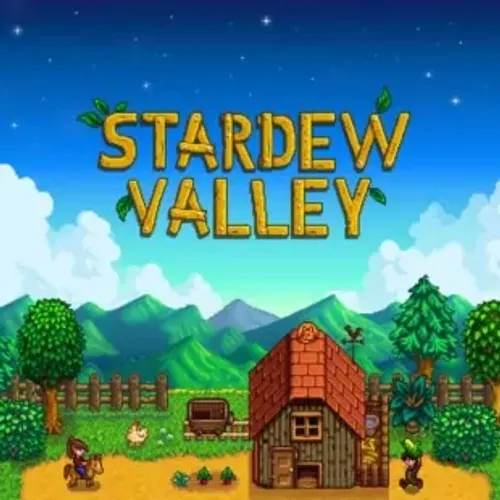
Video games are often seen as a modern form of entertainment, but their visual worlds are deeply connected to centuries of artistic tradition. From Gothic cathedrals to surreal dreamscapes, many games borrow ideas, aesthetics, and philosophies from famous art movements. Understanding these influences can reveal a new layer of meaning behind some of gaming’s most memorable experiences.
Gothic Art and Architecture
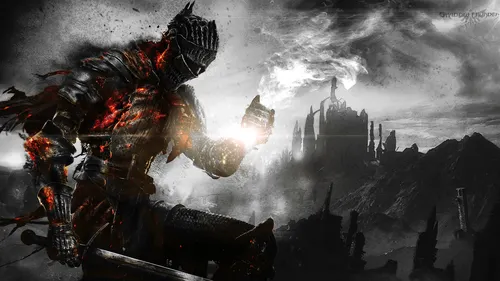
One of the most recognizable artistic influences in gaming is Gothic art. Originating in Europe during the Middle Ages, the Gothic style is characterized by towering cathedrals, pointed arches, dramatic shadows, and an atmosphere of mystery.
Games such as Dark Souls, Bloodborne, and Castlevania heavily incorporate Gothic architecture into their worlds. Massive churches, decaying castles, and intricate stonework create a sense of awe while reinforcing themes of death, faith, and decay.
The Gothic movement helps these games feel both beautiful and unsettling, turning the environment itself into a storytelling tool.
Romanticism
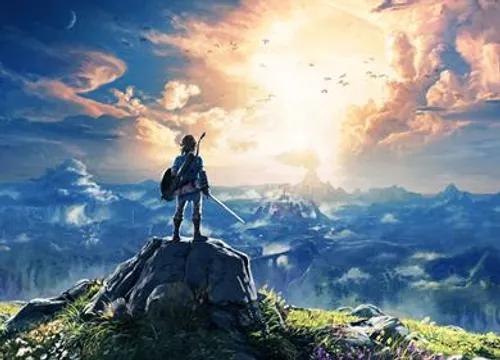
Romanticism emerged in the late 18th century and emphasized emotion, imagination, nature, and the sublime. Artists often portrayed vast landscapes that made humans appear small and vulnerable.
This influence can be seen in games like The Legend of Zelda: Breath of the Wild, Elden Ring, and Shadow of the Colossus. Sweeping mountains, endless fields, and lonely ruins encourage exploration and evoke feelings of wonder.
Like Romantic paintings, these games invite players to contemplate the relationship between humanity and the natural world.
Surrealism
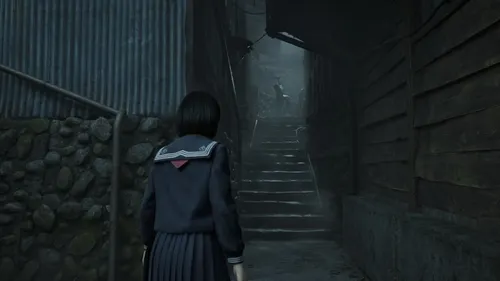
Surrealism sought to explore dreams, the unconscious mind, and irrational experiences. Surrealist artists created strange and often disturbing imagery that challenged traditional reality.
Games such as Silent Hill, Control, and The Stanley Parable use surrealist ideas to create worlds that feel dreamlike and unpredictable. Hallways change shape, impossible spaces exist, and ordinary objects take on disturbing meanings.
These elements create psychological tension and encourage players to question what is real.
Expressionism

Expressionism focused on conveying emotion rather than realistic representation. Distorted shapes, exaggerated colors, and dramatic contrasts were used to express fear, anxiety, and inner turmoil.
The influence of Expressionism can be found in games like Limbo, Inside, and Little Nightmares. Their stylized visuals create emotional impact while reinforcing themes of isolation and vulnerability.
The environment becomes a reflection of the characters’ psychological state rather than a realistic depiction of the world.
Art Deco
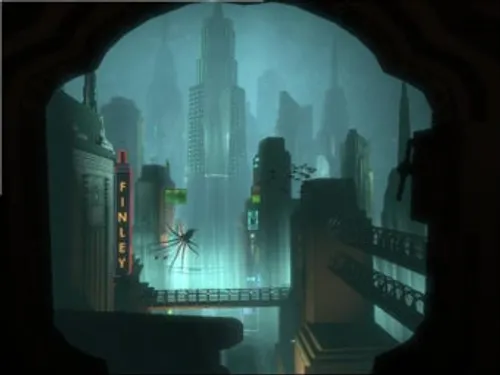
Art Deco emerged during the 1920s and 1930s and is known for its geometric forms, luxury, and modern elegance.
Perhaps the most famous example in gaming is BioShock. The underwater city of Rapture is filled with Art Deco architecture, decorative patterns, and grand interiors. The style perfectly supports the game’s themes of ambition, progress, and societal collapse.
Art Deco gives BioShock a unique visual identity that remains iconic years after its release.
Impressionism
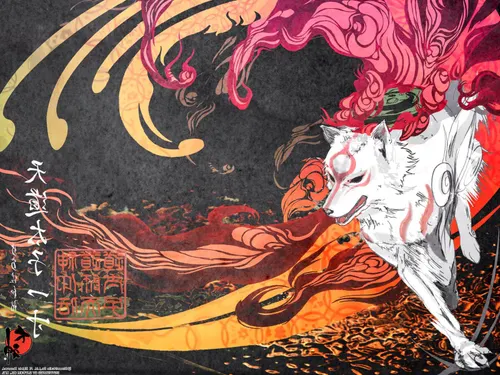
Impressionist artists focused on light, color, and atmosphere rather than precise details. Their works often sought to capture fleeting moments and emotional impressions.
Games such as The Legend of Zelda: Skyward Sword, Okami, and The Witness use vibrant colors and painterly environments that echo Impressionist principles. Rather than striving for photorealism, these games prioritize mood and visual expression.
The result is a world that feels more like a living painting than a digital simulation.
Minimalism

Minimalism emphasizes simplicity and the removal of unnecessary elements. The goal is to communicate ideas using only what is essential.
Games like Journey, Monument Valley, and Thomas Was Alone demonstrate how minimalist design can create powerful emotional experiences. Clean visuals and focused gameplay allow players to engage directly with the core themes of the game.
Minimalism proves that complexity is not always necessary to create meaningful art.
Why These Influences Matter
Video games are one of the most diverse artistic mediums ever created. By drawing inspiration from historical art movements, developers create richer worlds, stronger visual identities, and more meaningful experiences.
The next time you explore a haunted castle, wander through a dreamlike landscape, or admire a beautifully designed city in a game, you may be experiencing the legacy of centuries of artistic innovation.
Understanding these influences not only enhances our appreciation of games but also reveals how deeply connected modern gaming is to the broader history of art.