
The Problem With Incomplete Game Launches
Few things frustrate players more than buying a game at launch and realizing it feels unfinished. Over the last decade, incomplete releases became one of the biggest problems in the gaming industry. Broken performance, missing features, day-one patches, server instability, and content locked behind future updates are now disturbingly common.
OPINION
Kelly Carvalho
5/11/20263 min read
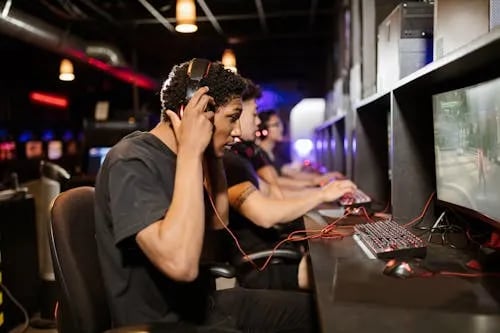
For many players, modern launches no longer feel exciting.
They feel risky.
So why are unfinished games becoming normal?
And how did the industry reach this point?
Games Became Much More Complex
Modern game development is incredibly difficult.
Today’s AAA games often include:
Massive open worlds
Advanced physics systems
Online infrastructure
Motion capture
Realistic graphics
Cross-platform support
Live-service systems
The technical complexity is far beyond what developers faced during earlier gaming generations.
As games became larger and more ambitious, the chances of technical problems increased dramatically.
Deadlines Matter More Than Polish
One of the biggest reasons unfinished launches happen is pressure from publishers and investors.
Games cost enormous amounts of money to produce. Delays can affect:
Financial reports
Marketing campaigns
Shareholder expectations
Hardware partnerships
Holiday sales windows
Because of this, many companies release games before they are fully ready.
Instead of delaying projects further, publishers often rely on post-launch patches to “finish” the game later.
Day-One Patches Changed the Industry
Years ago, games shipped physically and had to work immediately.
Developers had limited ability to fix major issues after release.
Today, internet-connected consoles allow studios to patch games constantly.
This created both advantages and problems.
The good side:
Bugs can be fixed quickly
Developers can improve games over time
Content can expand after release
The bad side:
Some companies release clearly unfinished products
Players become unofficial testers
“We’ll fix it later” became normalized
The existence of day-one patches changed expectations across the industry.
Hype Culture Makes Things Worse
Modern gaming marketing creates enormous hype long before launch.
Trailers, showcases, influencer previews, and social media campaigns generate years of anticipation.
Once expectations become massive, delaying a game becomes more difficult politically and financially.
Studios sometimes fear backlash from another delay more than backlash from launching unfinished.
Ironically, this often creates even bigger disasters later.
Cyberpunk 2077 Became the Symbol of the Problem
No discussion about unfinished launches is complete without mentioning Cyberpunk 2077.
Before release, the game was marketed as one of the most ambitious RPGs ever made.
At launch, many players encountered:
Severe bugs
Crashes
Broken AI
Performance disasters
Missing systems
especially on older consoles.
The backlash became enormous, damaging trust in both the game and the industry itself.
Ironically, after years of updates, Cyberpunk 2077 eventually evolved into a genuinely excellent game.
But the launch became a warning sign for the entire industry.
Live-Service Games Increased the Problem
The rise of live-service gaming also contributed heavily to incomplete launches.
Some publishers now treat launches as “starting points” rather than finished products.
Games release with:
Minimal content
Planned seasonal updates
Missing modes
Limited progression systems
The assumption is that the game will improve over time.
Sometimes this works.
Other times, players abandon the game before improvements arrive.
Developers Often Suffer Too
The issue is not always caused by lazy developers.
In many cases, developers themselves face:
Crunch periods
Unrealistic deadlines
Staffing problems
Management pressure
Constant overtime
Many studios release unfinished games because teams simply run out of time.
The human cost behind these launches is often invisible to players.
Players Became More Skeptical
As incomplete launches became more common, player behavior changed.
Many gamers now:
Wait for reviews
Avoid pre-orders
Buy games months later
Wait for patches or discounts
The phrase “wait for the definitive edition” became increasingly common.
Trust became harder to earn.
Some Games Successfully Recover
Not every broken launch stays broken forever.
Games like:
No Man's Sky
Cyberpunk 2077
Final Fantasy XIV
eventually recovered through years of updates and improvements.
These redemption stories prove that developers can rebuild trust — but recovery often takes enormous effort.
Players Now Expect Patches
One dangerous consequence is normalization.
Many players now expect:
Bugs at launch
Performance issues
Missing features
Future fixes
What once would have been considered unacceptable has gradually become routine.
This shift changed the relationship between players and publishers.
Why Finished Games Feel So Special Now
Ironically, complete and polished launches stand out more than ever.
When games release in strong condition, players immediately notice.
Recent successful launches gained praise specifically because they felt:
Stable
Complete
Optimized
Respectful of players’ time and money
The industry’s standards changed so dramatically that polish itself became impressive.
Final Thoughts
Incomplete launches became one of the defining problems of modern gaming because the industry evolved faster than its production systems could handle.
Massive budgets, technical complexity, investor pressure, and live-service models created an environment where releasing unfinished games became increasingly common.
At the same time, players became more cautious and skeptical.
The good news is that gamers are beginning to demand higher standards again.
And perhaps the future of gaming will belong to studios that remember something important:
A delayed game can eventually become great.
But a broken first impression is much harder to repair.
GameGridScore
Play More. Discover More. Score Better.
Brand
Explore our sleek website template for seamless navigation.
Contact
Newsletter
info@gamegridscore.com
(21) 9 8891-6438
© 2024. All rights reserved.