
Grand Theft Auto: Vice City Review — The Most Stylish GTA Ever Made
Few games capture a specific atmosphere as perfectly as Grand Theft Auto: Vice City.
REVIEWS
Kelly Carvalho
5/11/20263 min read
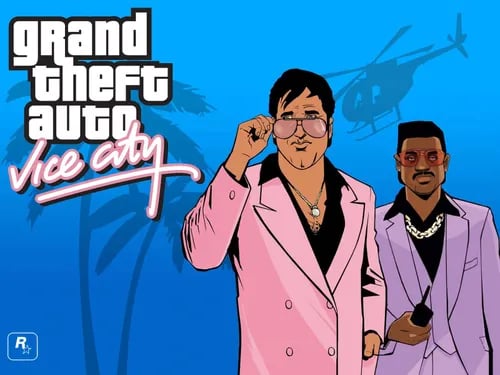
Released in 2002 by Rockstar Games, Vice City transformed the GTA formula into something larger, louder, and far more cinematic. Inspired heavily by 1980s crime films like Scarface and Miami Vice, the game delivered a world filled with neon lights, palm trees, fast cars, synth music, and violent ambition.
Even decades later, many fans still consider Vice City the most iconic GTA game ever made.
And a huge reason for that is style.
A City Overflowing With Personality
Vice City feels alive in a way few early open-world games ever achieved.
The fictional version of Miami combines:
Neon-lit beaches
Luxury hotels
Nightclubs
Dangerous alleyways
Tropical highways
Wealthy mansions
Everything about the city screams 1980s excess.
The bright colors, sunset skies, and synth-heavy soundtrack create an atmosphere that instantly feels nostalgic — even for players who never lived through the decade.
Vice City is not just a setting.
It is the game’s personality.
Tommy Vercetti Became a GTA Legend
The protagonist, Tommy Vercetti, remains one of the franchise’s most beloved characters.
Voiced by Ray Liotta, Tommy feels different from many later GTA protagonists because he is:
Ambitious
Ruthless
Confident
Charismatic
Unlike silent protagonists from earlier GTA titles, Tommy brought cinematic energy to the story.
Players watch him rise from a recently released ex-convict to one of the most powerful criminals in Vice City.
That rise-to-power narrative became one of the game’s greatest strengths.
The Soundtrack Is Legendary
Vice City contains one of the greatest soundtracks in gaming history.
The radio stations feature iconic 1980s artists and genres:
Synth-pop
Rock
New wave
Funk
Heavy metal
Driving through Vice City at night while listening to classic songs became one of gaming’s most unforgettable experiences.
The soundtrack did not simply accompany gameplay.
It defined the emotional identity of the game itself.
The 1980s Atmosphere Is Perfectly Executed
Rockstar fully committed to the 1980s aesthetic.
The game constantly references:
Crime films
Cocaine-era Miami culture
Fashion
Music
Television
Corporate greed
Excessive luxury
Vice City feels almost like an interactive gangster movie.
Everything is exaggerated in the best possible way.
Gameplay Expanded GTA’s Formula
Vice City improved nearly every system from Grand Theft Auto III.
Players could now:
Buy businesses
Earn passive income
Drive motorcycles
Use helicopters
Explore more interiors
Customize criminal operations
The empire-building mechanics made progression feel more meaningful than simply completing missions.
Watching Tommy slowly dominate the city gave players a strong sense of accomplishment.
The Missions Are Wildly Memorable
Vice City contains some of the most iconic missions in GTA history.
The game constantly shifts between:
Drug deals
Bank robberies
Car chases
Gang wars
Movie studio chaos
Nightclub operations
Many missions feel cinematic even by modern standards.
Rockstar’s talent for creating memorable set pieces became much more refined here.
Vice City Is Smaller — But More Focused
Compared to modern GTA maps, Vice City is relatively small.
But that smaller scale actually helps the game.
The city feels dense, memorable, and easy to navigate.
Players quickly learn:
neighborhoods
shortcuts
gang territories
favorite locations
Modern open worlds are often larger, but few feel as recognizable as Vice City.
The Graphics Aged — But the Style Never Did
Technically, Vice City clearly shows its age.
Character models, shooting mechanics, and animations feel outdated by modern standards.
But the artistic direction remains timeless.
The neon lighting, tropical color palette, and overall atmosphere still feel incredibly distinctive today.
Style carries the game far beyond its technical limitations.
The Controls Can Feel Frustrating Today
One major weakness of Vice City is how the gameplay aged mechanically.
Modern players may struggle with:
stiff shooting
awkward camera controls
older mission design
limited checkpoints
Some missions are also notoriously difficult and unforgiving.
The game reflects early 2000s design philosophy, which can feel rough compared to modern open-world standards.
Vice City Became a Cultural Icon
Very few games achieved Vice City’s cultural impact.
The game helped define:
PS2-era gaming
open-world design
crime game storytelling
licensed soundtracks in games
Its influence still appears across gaming culture today.
Many fans continue revisiting Vice City not only because of gameplay, but because of the emotional atmosphere it created.
Why Fans Still Love Vice City
Vice City represents something many modern games struggle to capture:
Pure identity.
Everything about the game feels cohesive:
visuals
music
characters
story
setting
The experience feels confident, stylish, and unforgettable.
Even players who prefer later GTA games often admit that Vice City has the strongest atmosphere in the entire franchise.
Final Verdict
Grand Theft Auto: Vice City remains one of the most stylish and influential games ever made.
Its combination of:
unforgettable 1980s atmosphere
legendary soundtrack
iconic protagonist
cinematic storytelling
focused open-world design
allowed it to become a timeless classic.
The gameplay may show its age, but the personality of Vice City remains unmatched.
And honestly?
Few games ever made crime feel this cool.
GameGridScore Rating: 9.3/10
Pros
Incredible 1980s atmosphere
Legendary soundtrack
Memorable protagonist
Stylish open world
Excellent mission variety
Cons
Controls aged poorly
Shooting mechanics feel outdated
Some frustrating mission design
GameGridScore
Play More. Discover More. Score Better.
Brand
Explore our sleek website template for seamless navigation.
Contact
Newsletter
info@gamegridscore.com
(21) 9 8891-6438
© 2024. All rights reserved.