1. Creativity Without Corporate Limits
One of the biggest strengths of indie games is creative freedom.
Large AAA studios often avoid risks because modern game development is extremely expensive. Publishers want “safe” projects that guarantee profit.
Indie developers don’t have those same restrictions.
This allows them to create:
-
Unique art styles
-
Experimental mechanics
-
Strange narratives
-
Personal stories
-
Unconventional gameplay ideas
Many indie games feel fresh precisely because they are not designed by committees or shareholders.
Games like:
-
Undertale
-
Hollow Knight
-
Celeste
-
Disco Elysium
became iconic because they dared to be different.
2. Players Are Tired of Formulaic AAA Games
Many players feel modern AAA games have become repetitive.
Open-world maps filled with repetitive objectives, battle passes, live-service systems, and aggressive monetization have created frustration across the gaming community.
Indie games often offer the opposite:
-
Smaller but more focused experiences
-
Strong artistic identity
-
Less corporate design
-
More emotional impact
Players increasingly value originality over graphical realism.
3. Indie Games Focus on Passion
Many indie projects are built by very small teams — sometimes even a single developer.
That passion is visible.
Unlike massive productions driven primarily by sales targets, indie games often feel deeply personal. Developers create the games they genuinely want to make.
This emotional authenticity connects strongly with players.
You can feel it in games like:
-
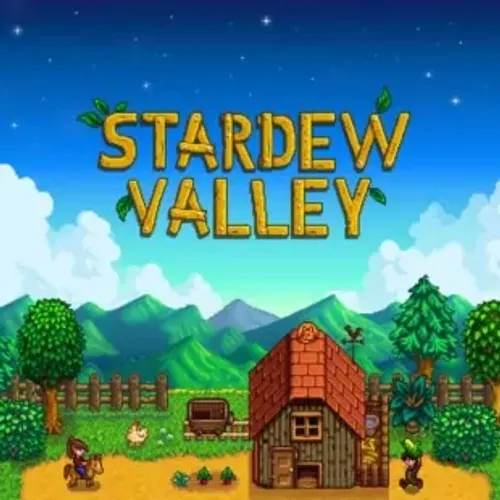
Stardew Valley
-
Omori
-
Outer Wilds
where atmosphere, writing, and emotion matter more than spectacle.
4. Digital Platforms Changed Everything
Years ago, indie developers struggled to publish games physically.
Now platforms like:
allow developers to release games directly to millions of players worldwide.
This accessibility completely transformed the industry.
A small developer can now create a global success without needing a massive publisher.
5. Indie Horror Became a Cultural Force
One of the biggest examples of indie dominance is horror gaming.
Many of the most influential horror games in recent years came from independent creators.
Why?
Because indie horror embraces:
-
Psychological fear
-
Experimental visuals
-
Ambiguity
-
Atmosphere over action
Games inspired by retro graphics and surreal storytelling became incredibly popular because they feel more unsettling and artistic than many mainstream horror titles.
The rise of analog horror, liminal spaces, and psychological horror aesthetics heavily benefited indie developers.
6. Streamers and YouTube Help Indie Games Explode
Content creators changed the gaming landscape.
A single viral video can turn a tiny indie project into a worldwide phenomenon overnight.
Games with:
-
Strong atmosphere
-
Unique mechanics
-
Emotional moments
-
Funny chaos
-
Scary reactions
perform extremely well on platforms like YouTube and Twitch.
This visibility gives indie developers opportunities that were almost impossible years ago.
7. Indie Games Often Respect Players More
Many indie games avoid:
-
Predatory monetization
-
Excessive microtransactions
-
Battle passes
-
“Pay-to-win” mechanics
Players appreciate games that feel complete at launch.
Trust matters.
When players feel respected, they support developers more passionately.
8. Art Style Matters More Than Realism
The industry is slowly realizing something important:
A strong artistic identity ages better than hyper-realistic graphics.
Stylized indie games often remain visually memorable for years, while many realistic games quickly become outdated technologically.
That’s why artistic direction became one of the most powerful aspects of indie development.
9. Smaller Games Fit Modern Life Better
Not every player wants a 150-hour open-world experience.
Many gamers today prefer:
-
Shorter experiences
-
Narrative-focused games
-
Replayable mechanics
-
Relaxing gameplay loops
Indie games often respect players’ time more effectively than gigantic AAA projects.
Final Thoughts
Indie games are dominating the industry because they remind players why they fell in love with games in the first place.
They prioritize:
-
Creativity
-
Emotion
-
Atmosphere
-
Innovation
-
Artistic expression
While AAA studios chase scale and profit, indie developers continue experimenting, taking risks, and creating unforgettable experiences.
The future of gaming may not belong to the biggest companies.
It may belong to the creators brave enough to make something personal.
GameGridScorePlay More. Discover More. Score Better.