Introduction
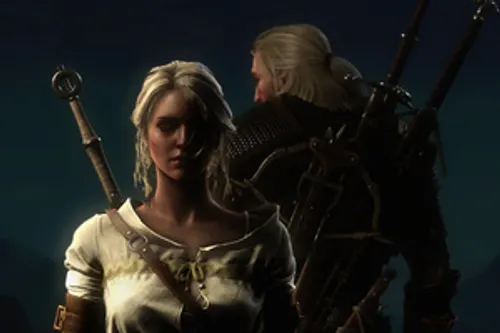
The Witcher 2: Assassins of Kings is one of the most ambitious RPGs of its generation. Developed by CD Projekt, the game expanded the Witcher franchise with darker storytelling, political intrigue, mature themes, and meaningful player choices long before open-world RPGs became mainstream.
Although it was eventually overshadowed by the massive success of The Witcher 3: Wild Hunt, The Witcher 2 remains an exceptional RPG with some of the strongest narrative design and branching storytelling ever seen in gaming.
Players once again control Geralt of Rivia, the legendary monster hunter, as he becomes entangled in conspiracies, assassinations, war, and political chaos across the Northern Kingdoms.
This review explores gameplay, story, combat, graphics, choices, characters, and whether The Witcher 2 is still worth playing today.
What Is The Witcher 2: Assassins of Kings?
The Witcher 2 is a fantasy action RPG based on the novels by Andrzej Sapkowski.
The game focuses heavily on:
-
Story-driven quests
-
Political intrigue
-
Moral choices
-
Sword combat
-
Alchemy systems
-
Monster hunting
-
Branching narratives
-
Character relationships
Unlike many fantasy RPGs that focus on heroic adventures, The Witcher 2 presents a brutal and morally gray world shaped by war, racism, corruption, and survival.
The tone is mature, complex, and heavily inspired by dark fantasy literature.
Story Review
One of the Most Underrated RPG Narratives
The story of The Witcher 2 is outstanding.
Geralt begins the game accused of assassinating a king and quickly becomes involved in a conspiracy threatening the fragile balance of power across the Northern Kingdoms.
The narrative explores themes such as:
-
Political corruption
-
Revenge
-
Racism
-
War
-
Loyalty
-
Manipulation
-
Identity
-
Destiny
What makes the story especially impressive is how dramatically player choices affect the experience.
One major decision in the game completely changes the second act, leading players through entirely different regions, characters, quests, and perspectives.
Very few RPGs offer branching paths this substantial.
The writing feels intelligent and mature, rewarding players who pay attention to political relationships and character motivations.
Gameplay Review
More Focused Than The Witcher 3
Unlike the open-world structure of The Witcher 3, The Witcher 2 uses a more contained and story-focused design.
Areas are smaller but highly detailed.
This structure allows the game to maintain strong pacing while still encouraging exploration and side activities.
Players explore:
-
War camps
-
Medieval towns
-
Forest regions
-
Political strongholds
-
Ancient ruins
The game constantly balances monster hunting with political drama and character-driven storytelling.
Combat Can Be Challenging
Combat in The Witcher 2 is more difficult and tactical than many modern RPGs.
Geralt relies on:
-
Swordplay
-
Dodging
-
Magical Signs
-
Traps
-
Bombs
-
Potions
-
Oils
Preparation is extremely important.
Players who ignore alchemy or defensive mechanics will often struggle during major fights.
Combat can initially feel clunky and unforgiving, especially compared to newer RPGs, but it becomes rewarding once players understand the systems.
Boss fights are particularly memorable because they require strategy rather than simple button-mashing.
Choices and Consequences
Decisions Have Massive Impact
The Witcher 2 is famous for its branching narrative structure.
Choices affect:
-
Character survival
-
Political alliances
-
Entire questlines
-
Regional conflicts
-
Story outcomes
The game rarely presents obvious “good” or “evil” options.
Instead, players are forced to navigate morally complicated situations where every decision carries consequences.
This creates a strong sense of role-playing and immersion.
The narrative feels highly reactive to player actions.
Characters and Writing
Excellent Dialogue and World-Building
The writing in The Witcher 2 remains exceptional.
Geralt is portrayed as intelligent, sarcastic, and emotionally complex.
Supporting characters such as:
-
Triss Merigold
-
Vernon Roche
-
Iorveth
-
Letho
-
Saskia
all play major roles in shaping the narrative.
Letho, in particular, stands out as one of the most interesting antagonists in the Witcher franchise because of his motivations and moral ambiguity.
The dialogue feels mature and grounded, avoiding simplistic fantasy clichés.
Graphics and Visual Presentation
Impressive for Its Time
At release, The Witcher 2 was considered one of the most visually impressive RPGs available.
Even today, the art direction still holds up surprisingly well.
Highlights include:
-
Dense forests
-
Detailed armor designs
-
Atmospheric lighting
-
Medieval environments
-
Dark fantasy aesthetics
-
Strong environmental detail
Character animations and facial models may show their age in some moments, but the atmosphere remains highly immersive.
The visual style successfully captures the brutal tone of the Witcher universe.
Sound Design and Music
Strong Fantasy Atmosphere
The soundtrack of The Witcher 2 perfectly complements the dark fantasy setting.
The music combines orchestral themes with Slavic-inspired influences to create a mysterious and emotional atmosphere.
Voice acting is generally excellent throughout the game.
Environmental audio — rain, combat sounds, crowded towns, forests, and monster encounters — helps immerse players in the dangerous world.
The sound design reinforces the tension and political instability surrounding the story.
Difficulty and RPG Systems
Less Accessible but Deep
Compared to modern RPGs, The Witcher 2 is less forgiving.
Players must carefully manage:
-
Potions
-
Equipment
-
Character builds
-
Combat timing
-
Enemy weaknesses
The game rewards patience and preparation rather than aggressive action.
Some players may find the difficulty frustrating early on, but others appreciate the deeper tactical systems.
The RPG progression system allows players to specialize Geralt in different combat and magic styles.
Performance and Technical Issues
Some Mechanics Feel Dated
Although The Witcher 2 remains impressive, certain aspects show their age.
Players may notice:
-
Stiff movement animations
-
Clunky inventory management
-
Difficult early-game combat
-
Limited exploration compared to modern open worlds
-
Occasional interface frustrations
However, the strength of the narrative and world-building still make the experience highly rewarding.
Pros and Cons
Pros
-
Excellent storytelling
-
Massive player choice impact
-
Mature political narrative
-
Strong world-building
-
Memorable characters
-
Atmospheric soundtrack
-
Tactical combat depth
-
Unique branching structure
Cons
-
Combat can feel clunky
-
Some systems are difficult for beginners
-
Limited open-world exploration
-
Interface and inventory management feel dated
Is The Witcher 2 Worth Playing in 2026?
Absolutely.
The Witcher 2: Assassins of Kings remains one of the strongest narrative-driven RPGs available.
Although some gameplay systems feel older compared to modern RPGs, the writing, political storytelling, and branching choices still stand out today.
Players who enjoyed The Witcher 3 and want deeper insight into the world and characters of the franchise will find a rich and rewarding experience.
Final Verdict
The Witcher 2: Assassins of Kings is an underrated masterpiece of dark fantasy storytelling.
CD Projekt created a mature RPG filled with political intrigue, emotional complexity, and meaningful player choices that still feel impressive years later.
While some gameplay mechanics have aged, the game’s narrative ambition and atmosphere continue to make it one of the best RPGs of its era.
Score: 9/10
The Witcher 2 remains an essential experience for fans of fantasy RPGs and one of the most ambitious narrative-driven games of its generation.
Frequently Asked Questions
Is The Witcher 2 worth playing after The Witcher 3?
Yes. The Witcher 2 provides important context for many characters and political events referenced in The Witcher 3.
Is The Witcher 2 open world?
No. The game uses smaller hub-based areas rather than a fully open world.
How long is The Witcher 2?
A standard playthrough usually takes between 25 and 40 hours depending on side content and choices.
Is The Witcher 2 difficult?
Yes. The combat and preparation systems can be challenging, especially for new players.
Do choices really matter in The Witcher 2?
Absolutely. The game features one of the most significant branching narrative structures in RPG history.