For decades, a debate has persisted among critics, artists, and players: Can video games be considered art? While some view games merely as entertainment products, others argue that they represent one of the most complex artistic mediums ever created.
Today, video games combine visual art, music, storytelling, architecture, animation, design, and player interaction into a single experience. As the medium has evolved, the question has gradually shifted from whether games are art to how they function as art.
What Defines Art?
Throughout history, definitions of art have changed repeatedly.
Paintings, sculptures, literature, cinema, photography, and even comic books were once dismissed by some critics before eventually being recognized as legitimate artistic forms.
Although scholars disagree on a single definition, most would agree that art seeks to:
- Express ideas or emotions
- Communicate meaning
- Inspire reflection
- Create aesthetic experiences
- Explore aspects of the human condition
By these standards, many video games clearly qualify as works of art.
The Fusion of Multiple Arts
Unlike traditional artistic mediums, video games combine several forms of artistic expression simultaneously.
A modern game may include:
Visual Art
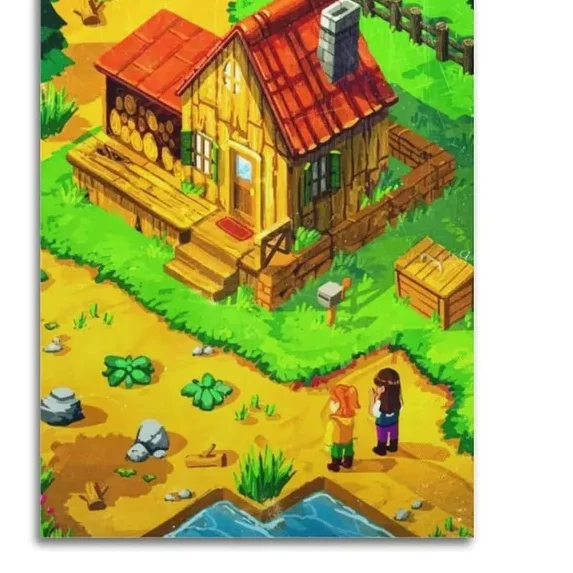
Character design, environments, architecture, color theory, and composition.
Music
Original soundtracks that shape mood and emotional impact.
Literature
Dialogue, world-building, themes, and narrative structure.
Performance
Voice acting and motion capture performances.
Design
The creation of systems that influence player behavior and experience.
Because games unite so many disciplines, they are often described as a form of total art, similar to the way cinema combines image, sound, and storytelling.
Interactivity: The Unique Artistic Element
What truly distinguishes video games from other art forms is interactivity.
A painting remains the same regardless of who views it. A film follows the same sequence every time it is watched.
A game, however, requires participation.
Players make decisions, explore environments, solve problems, and influence outcomes. This transforms the audience from passive observers into active participants.
The artwork is not simply viewed—it is experienced.
Visual Storytelling in Games
Many games communicate ideas without relying heavily on dialogue.
Titles such as Journey, Inside, and Shadow of the Colossus tell stories primarily through imagery, atmosphere, and environmental design.
This approach resembles visual art traditions in which meaning emerges through symbols, composition, and interpretation rather than explicit explanation.
Players become interpreters of visual language.
Emotional Expression
Art often seeks to evoke emotions, and games can be remarkably effective in this regard.
Players have reported experiencing:
- Joy
- Fear
- Melancholy
- Nostalgia
- Empathy
- Hope
- Grief
Games such as The Last of Us, Red Dead Redemption 2, Spiritfarer, and Life is Strange demonstrate how interactive experiences can create emotional responses comparable to literature and film.
In some cases, the emotional impact is intensified because players actively participate in the events unfolding on screen.
Art History and Video Games
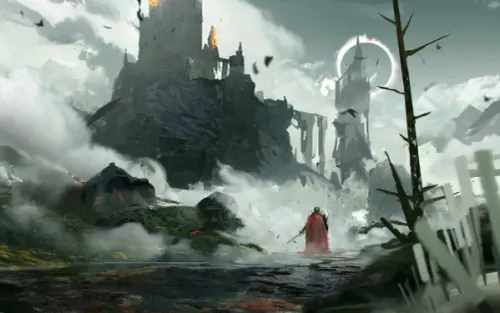
Many games draw inspiration from historical artistic movements.
Examples include:
- Gothic architecture in Dark Souls
- Art Deco in BioShock
- Japanese ink painting in Okami
- Romantic landscapes in Elden Ring
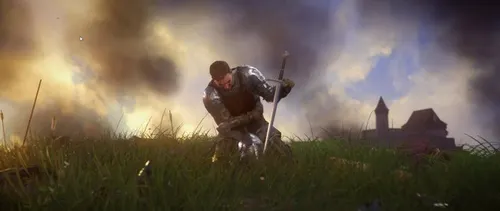
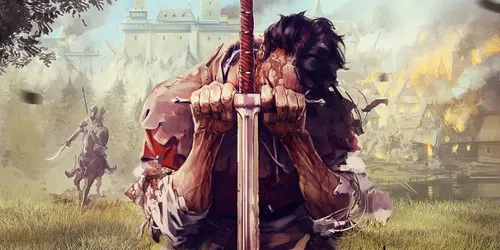
- Medieval art and symbolism in Kingdom Come: Deliverance
These influences demonstrate that games are not isolated from artistic traditions. Instead, they continue a dialogue that has existed for centuries.
Games as Cultural Artifacts
Like novels, films, and paintings, games reflect the societies that create them.
They reveal:
- Cultural values
- Political concerns
- Technological developments
- Social anxieties
- Collective hopes and fears
Future historians may study video games in much the same way historians today analyze literature, architecture, and visual art.
Games are increasingly becoming important cultural documents.
The Museum Recognition
The artistic status of video games has gained institutional recognition.
Several museums and cultural organizations have included games in exhibitions and permanent collections.
Notably, the Museum of Modern Art (MoMA) has added multiple video games to its design collection, acknowledging their artistic and cultural significance.
This recognition reflects the growing acceptance of games within the broader art world.
The Criticism
Despite their achievements, some critics argue that games cannot be art because they are commercial products or because gameplay mechanics limit artistic expression.
However, the same arguments have historically been directed at cinema, photography, and popular literature.
Commercial success and artistic value are not mutually exclusive. A work can be both profitable and artistically meaningful.
Conclusion
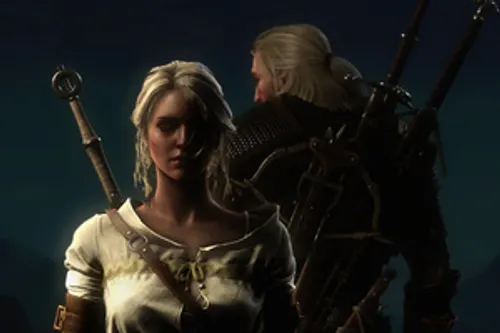
Video games represent one of the most ambitious artistic mediums ever developed. They combine visual design, music, narrative, architecture, performance, and interactivity into experiences that can entertain, challenge, and inspire.
More importantly, they introduce something unique to the history of art: the ability for audiences to participate directly in the artwork itself.
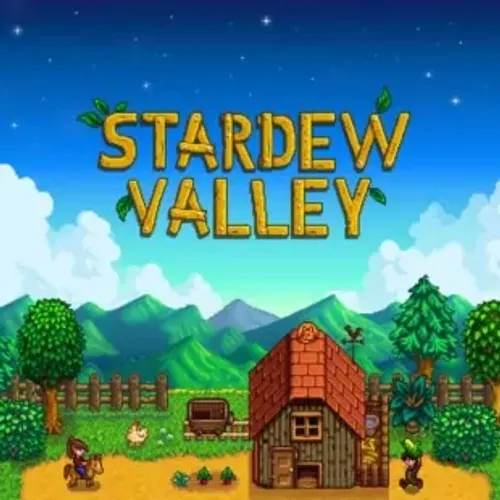
Whether exploring the ruins of Elden Ring, cultivating a farm in Stardew Valley, or wandering through the silent landscapes of Journey, players are engaging with artistic worlds designed to communicate ideas and emotions.
The question is no longer whether games can be art.
The question is how this new form of art will continue to evolve in the future.